


We use affiliate links to help our readers connect with great products made by great teams. This way we all win
The Battle Isn’t Between Companies
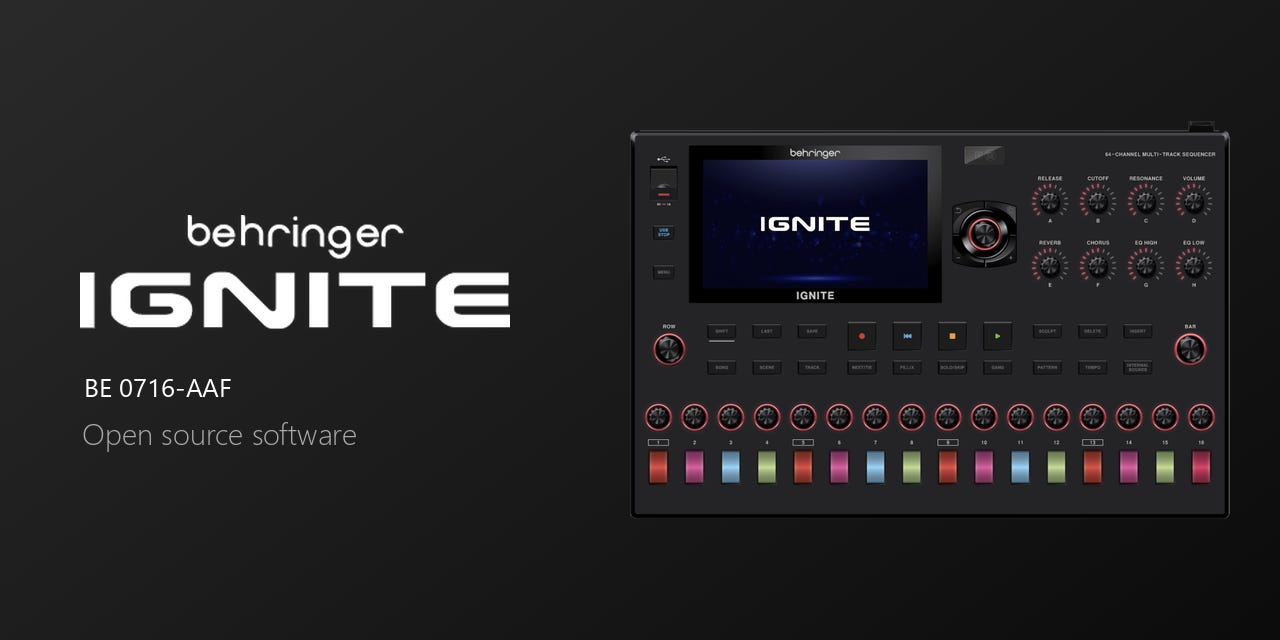
What’s up, lab crew? At first glance, this could look like a battle between companies. If you’ve been out of the loop for the past couple of days, Akai and Beringer have been going back and forth, releasing open-source products and hardware for their user base. Yesterday, Beringer released their Ignite step sequencer. The interesting part is that Beringer isn't releasing this on their main website.
They’re actually releasing this directly to GitHub via their repository. Which begs the question: I don't think this is a battle between these 2 companies, but rather between 2 different open-source communities, which ultimately will benefit the companies. So, let’s run down the details on Ignite and then talk about this battle.
More from The Practical Audio Lab


What Is the Behringer IGNITE?
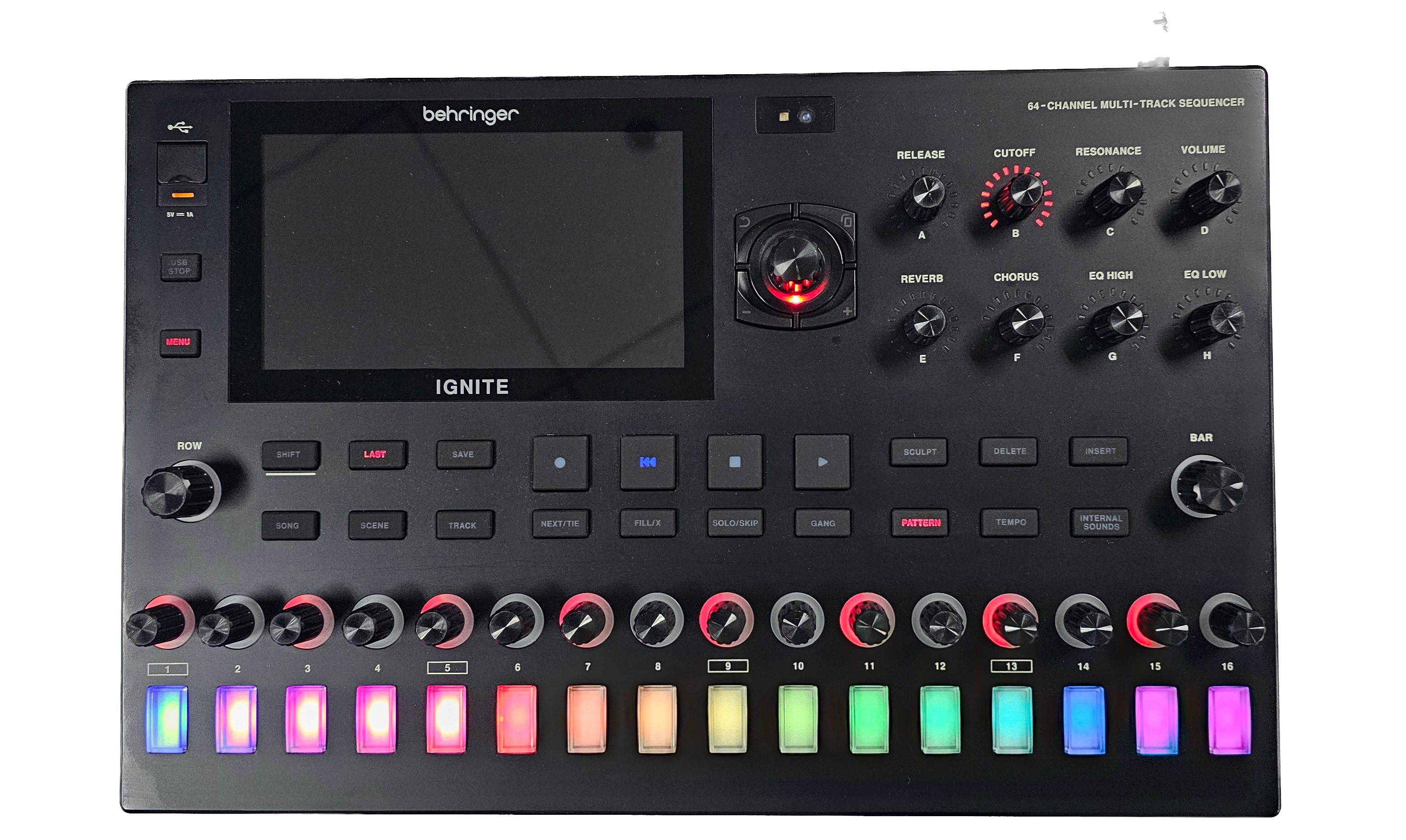
Behringer Ignite is a 64-track multitrack sequencer with song, sing, track, and pattern. Patterns go up to 16 bars, with 16 steps per bar, and scenes up to 200 bars. I’ll put most of the details down below.
64-channel hardware multi-track sequencer with large touchscreen
built-in General MIDI sound engine
open-source firmware
Behringer’s second open-hardware box after the KICK
IGNITE SPECS
64-channel multi-track sequencer with a song, scene, track and pattern structure
Patterns of up to 16 bars with 16 steps per bar, scenes of up to 200 bars, 96 PPQN timing
Real-time recording, undo, fill, solo/skip, gang and sculpt functions
Transpose control and up to 10 user-defined scales
Internal General MIDI sound engine
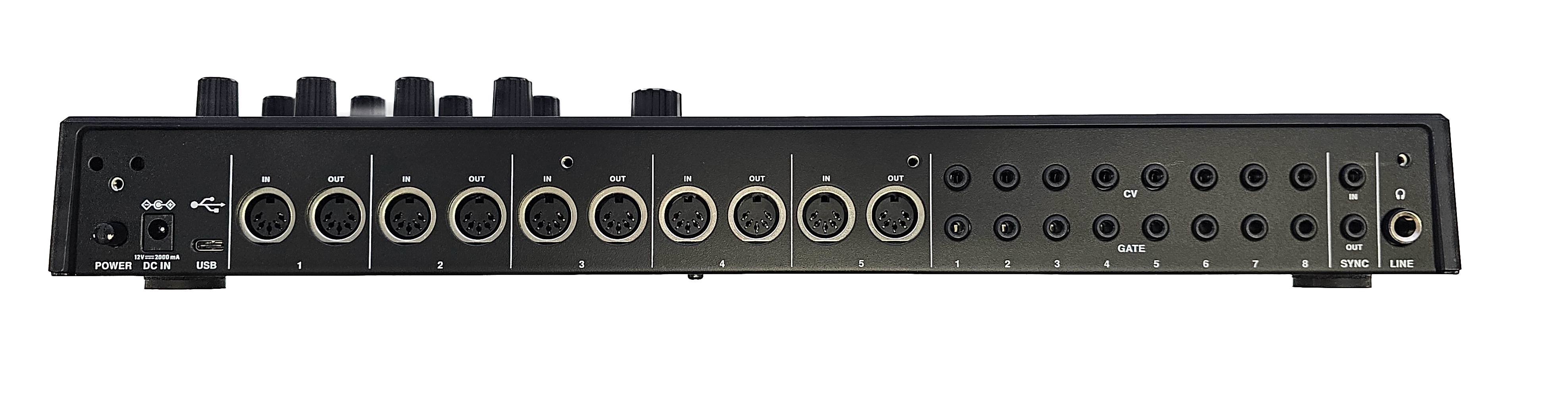
5 MIDI DIN in/out pairs, USB MIDI, and USB host MIDI for up to 5 devices
MIDI clock sync, MIDI Machine Control and remote control
8 CV and 8 Gate jacks with calibration, plus sync in/out
Wi-Fi connectivity
Hardware and Connections
One of the biggest glaring features is 5 mini DIN outs in N-out pairs, USB mini, and a USB host mini. But it also has an additional 8 CV and 8 gate jacks, which kind of blows all of the other groove boxes out of the water. Right now, most of these devices only have simple connections: one or 2 connections, one or 2 mini outs, and that's it. Beringer is providing a device that can act as a central hub for an entire hardware ecosystem.
What Open Firmware Actually Means Here
So the repository has the Ignite application. It’s an audio engine and hardware protocol, and it’s actually based on a Linux image.
Most of the conversation around this is happening on their Discord. The power inside of this system… Is that users can actually fork the repository and build their own custom firmware.
Behringer’s Open-Source History Starts With the X32
So, looking at this, it seems that for the past 10-plus years, Behringer has embraced the modern open-source community. Starting with the Behringer X32 console, the repository was released around 2014, allowing users to upload custom hardware to the mixer.
The difference between the X3 2 mods is that they don’t affect any of the console’s internal code. It lets you control faders, routers, and meters from a separate device, but it doesn’t alter the internal DSP. But there is an exception: the X32. It seems Behringer has decided to go full throttle in this direction. And support the modern community.
Things to look out for
Behringer’s Open Lineup - IGNITE, KICK, and the DJ Box:
KICK = MPC-style sampler clone, open firmware, prototype, price unconfirmed
DJ controller prototype (“ANIMA” visible on unit), open hardware, $300-$400 target from Behringer’s post, no repo or date
SP1200X chatter is rumor-level only; do not present as announced
AI for the Creator, not for ‘creation’
At the same time, Akai is realizing it’s beneficial for them, too. They can still sell products in this AI landscape.
And I think it’s a great way for these companies to embrace AI, to get their user bases to embrace using AI in the creation of music, but not necessarily using it for music generation, using it to create code behind custom plug-ins, and essentially turning every single musician into a minor coder who’s allowed, that has the ability to create whatever soundscape they want to.
It’s an incredibly smart approach at an incredibly trying time, when people are looking for opportunities but have concerns about ownership when generating AI or artificially intelligent music. Companies like Suno are doing a phenomenal job of letting the average person make fully featured, finished tracks. However, ownership and ethics come into play: if these models were trained on live musicians or real musicians, have they been compensated? What is the ownership structure moving forward? This still lets users create their own music at home with existing hardware they may have had for years. However, it also embraces AI, creating new sound sources, new effects chains, new workflows, and ultimately a new type of music from the home musician.
More from The Practical Audio Lab


What’s Next
So, what’s in the future? We are white-knuckle tuned in.
Related reading


About the Author
My first MPC was the MPC1000. From Audio engineering to production to the business side of music, I have spent the past two decades learning and perfecting music production.
GitHub https://github.com/MusicTribeOpenSource/0716-AAF