


“Depth isn’t about adding reverb — it’s about shaping perception.” — Will (SOVLTRON)
Why “Depth” Is the Real Secret Sauce
You can have clean EQs, solid compression, and perfect balance — but if your mix sounds flat, it won’t move people.
Depth is what separates an amateur mix from a professional one. It’s that invisible dimension that makes vocals feel close, drums feel physical, and ambience feel infinite.
1. The Real Problem: Too Much Space, Not Enough Structure
Most producers think “depth” means adding more reverb. But depth is a combination of volume, EQ, timing, and width decisions.
Common rookie mistakes include:
Reverb on everything → zero definition.
Panning too wide → hollow center.
No contrast between front and back elements.
Depth is perception — not plugins. It’s how you trick the ear into hearing distance.
2. The Practical Fix: 3 Steps to Dimensional Clarity

1. Think in “Depth Layers” (Front–Middle–Back)
Every element should have a home:
Front: Dry, bright, loud (vocals, snare)
Middle: Light FX or delay (keys, guitars)
Back: Wet, darker, quieter (pads, ambience)
Pro tip: Roll off highs on background reverbs to push them back. High frequencies sound closer to our ears.
2. Use Early Reflections to Create“Reverb Shadows”
Now i cant take full credit for this one, and if you want to learn more about this watch this incredibly informative video from Mastering.com on Reverb.
Use your imagination to establish the size and shape of your place.
Establish “where” elements of your mix will live by using panning,EQ and compression. Closer will sound brigher while futher away will sound darker.
Use early reflections to determine how much of the sound will create a reverb ‘shadow’ in your simulated space. further away will have less early reflections and closer will have more.
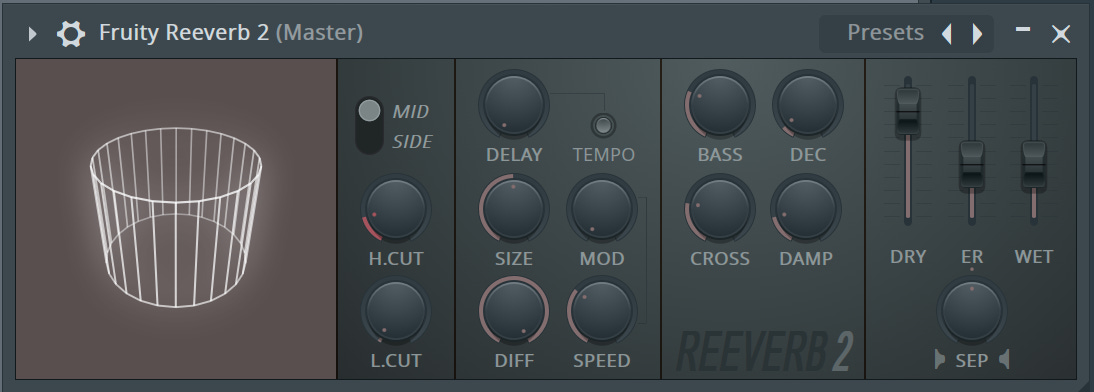
3. Take Advantage of Reverb Pre-Delay
Instead of drowning sounds in reverb, the reverb pre-delay will act as the ‘front/back’ panner. This creates a sense of space while maintaining clarity.
60–120ms mono delay for vocals
10–30ms micro delay (no feedback) for widening instruments
Then send that delay to your reverb bus — not the dry track.
These three steps work hand in hand in a critical way. Essentially this is utilizing reverb to create a space that seems realistic for elements of your mix.
Even when mixing sample based material, this can be a powerful way of creating realism and ‘haptic’ sounding mixes , those that feel like they are created in a real space or recorded in a real space.
4. Automate Depth
Depth shouldn’t be static. Automate reverb or delay sends so the space breathes with the song.
Example: Pull the reverb send down during verses, then open it up in the chorus. This dynamic contrast makes your mix feel alive.
5. Use Speaker Emulation Plugins
This is where the line between mixing, producing and sound design start to converge.
Speaker placement plugins utilize convolution reverb, HRTF (head related transfer function), binaural synthesis, alongside acoustic environment modeling to accomplish ‘placing’ elements of your mix inside a realistic sounding space.
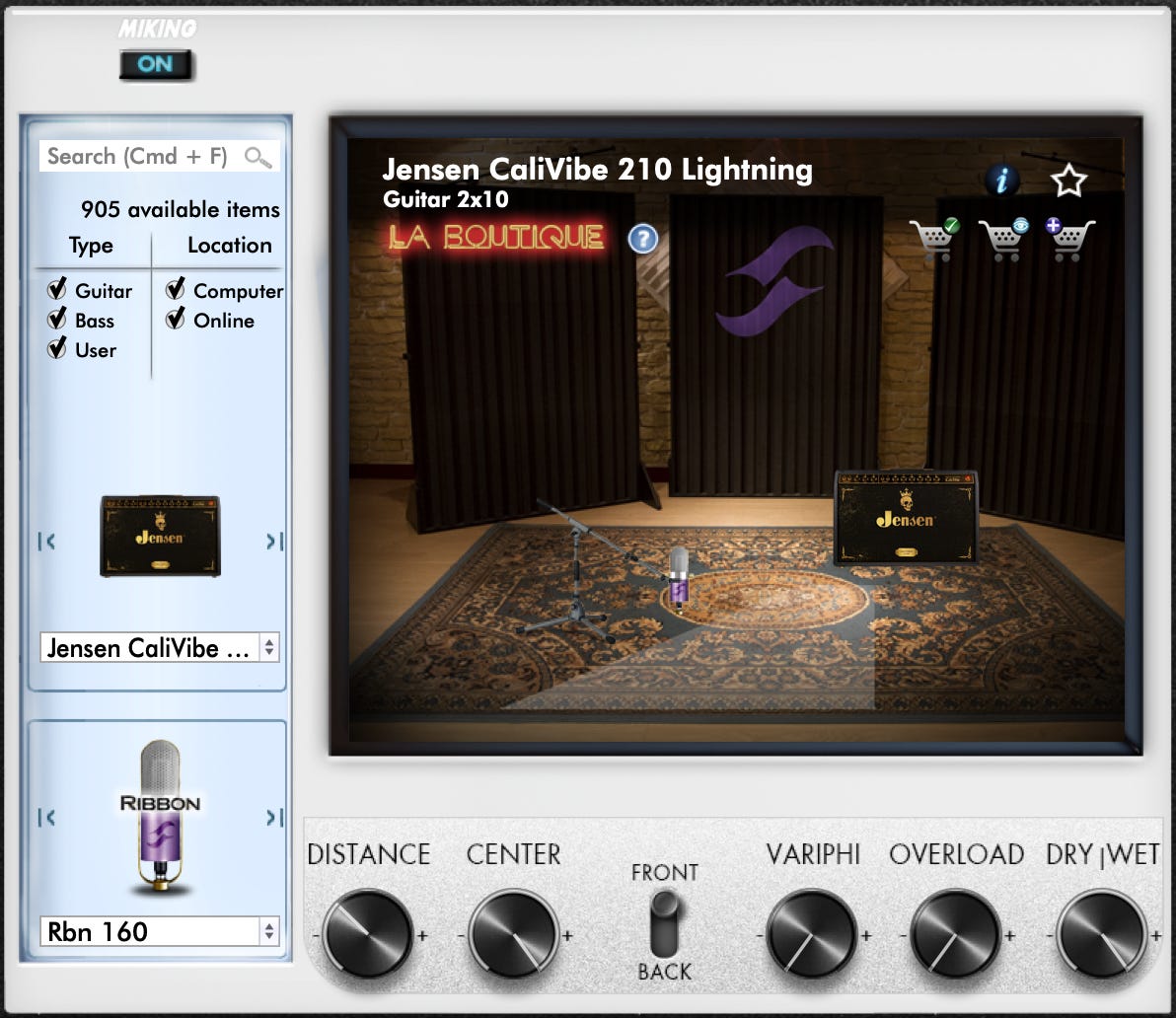
Plugins like Wave Arts Panorama7 (paid), Torpedo Wall of Sound (Free Trial), and Soundly Place It (Free) re-create spaces that give the feeling of analog recording in a real space.
One thing to be mindful of with this approach
1. your decisions are mainly subjective with this approach as this is more of a creative approach.
2. If you’re doing client work, that this can be seen as more of a sound design decision rather than a mixing technique.
Don’t overdo it. Using this sparingly alongside other techniques above will
3. What to Do Next: Your “Depth Pass” Checklist
Before you call your mix done, do one final “Depth Pass”:
Mute all reverbs and delays → Does the balance still feel right?
Bring them back one at a time → Is each effect earning its space?
Collapse to mono → Still feels full? You’re good.
Depth isn’t an effect — it’s discipline.
📥 BONUS RESOURCE FOR LAB MEMBERS:
🎁 “Reverb Automation Toolkit” — Download the exact send/return setup and automation map I use for dynamic space in mixes.
💬 DROP A COMMENT:
What plugin or technique do you use to add space without losing focus?
Let’s make better sound.
— Will (SOVLTRON)


