
We use affiliate links to help our readers connect with great products made by great teams. This way we all win.
Who Do These Guys Think They Are?
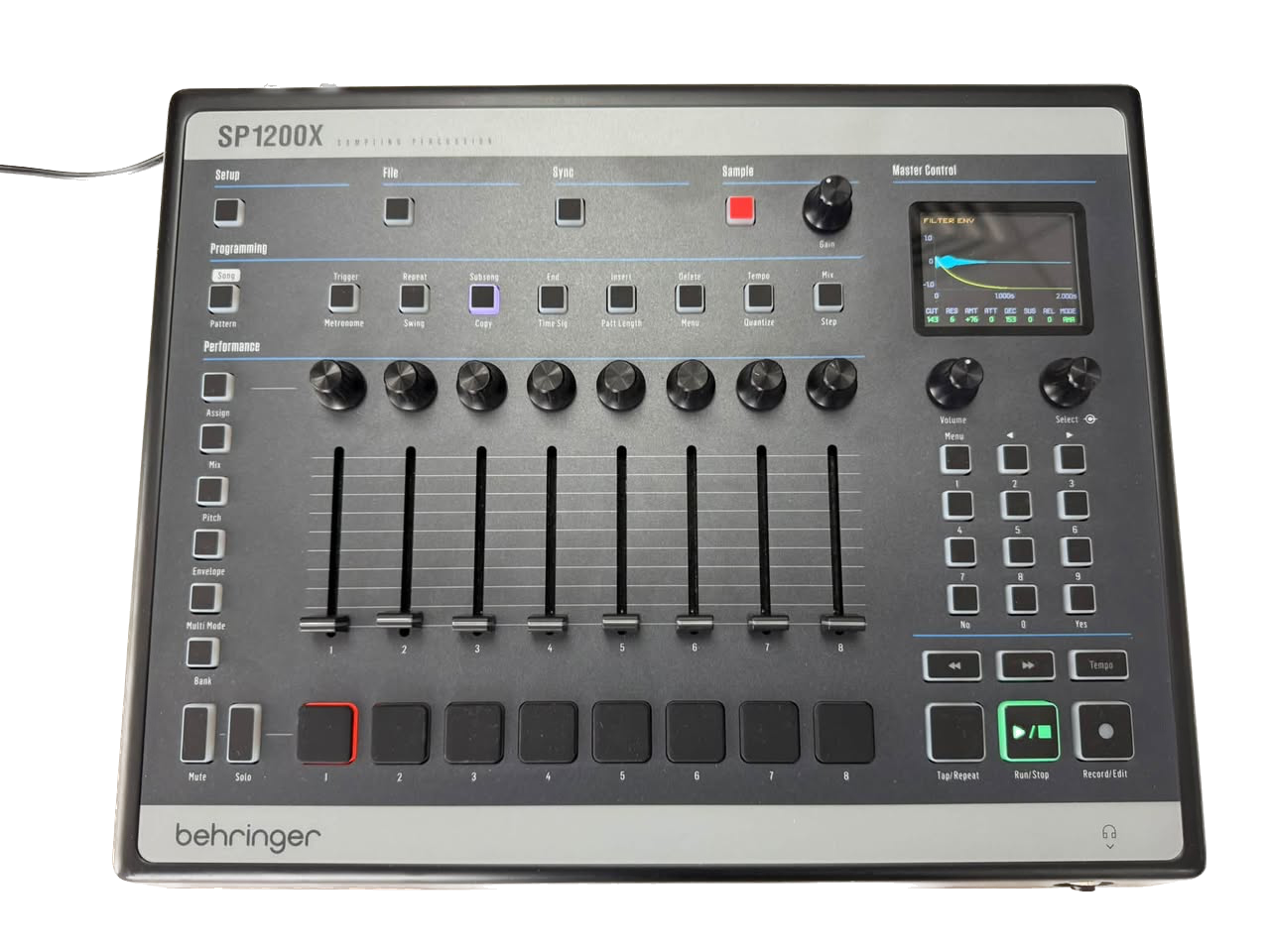
After a while, this will be hard to keep up with. Behringer has teased/released their SP1200X, an Emu SP-1200 clone with open-source capabilities.
This follows their “Kick” sampler, essentially an open-source clone of the MPC One.
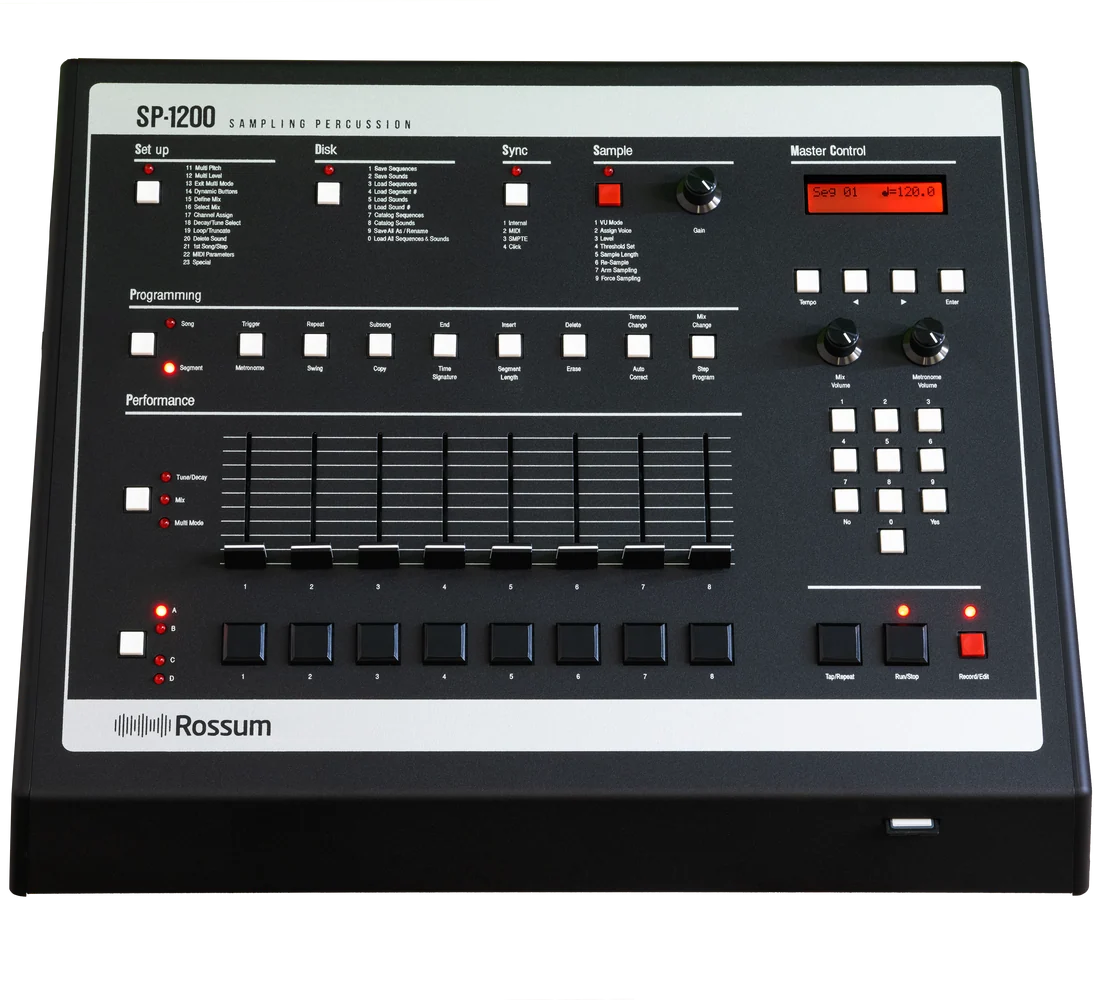
For those not too familiar, the Emu-SP1200 is an iconic 12-bit sampler from the 80s known for its gritty texture and, quite frankly, has already been reproduced by Dave Rossum, the creator of the machine.
You can find the authentic reproduction model fora bout $3999 on their website; however, the supposed plan for the SP1200X is to launch at around $200, not too far from their other offerings.
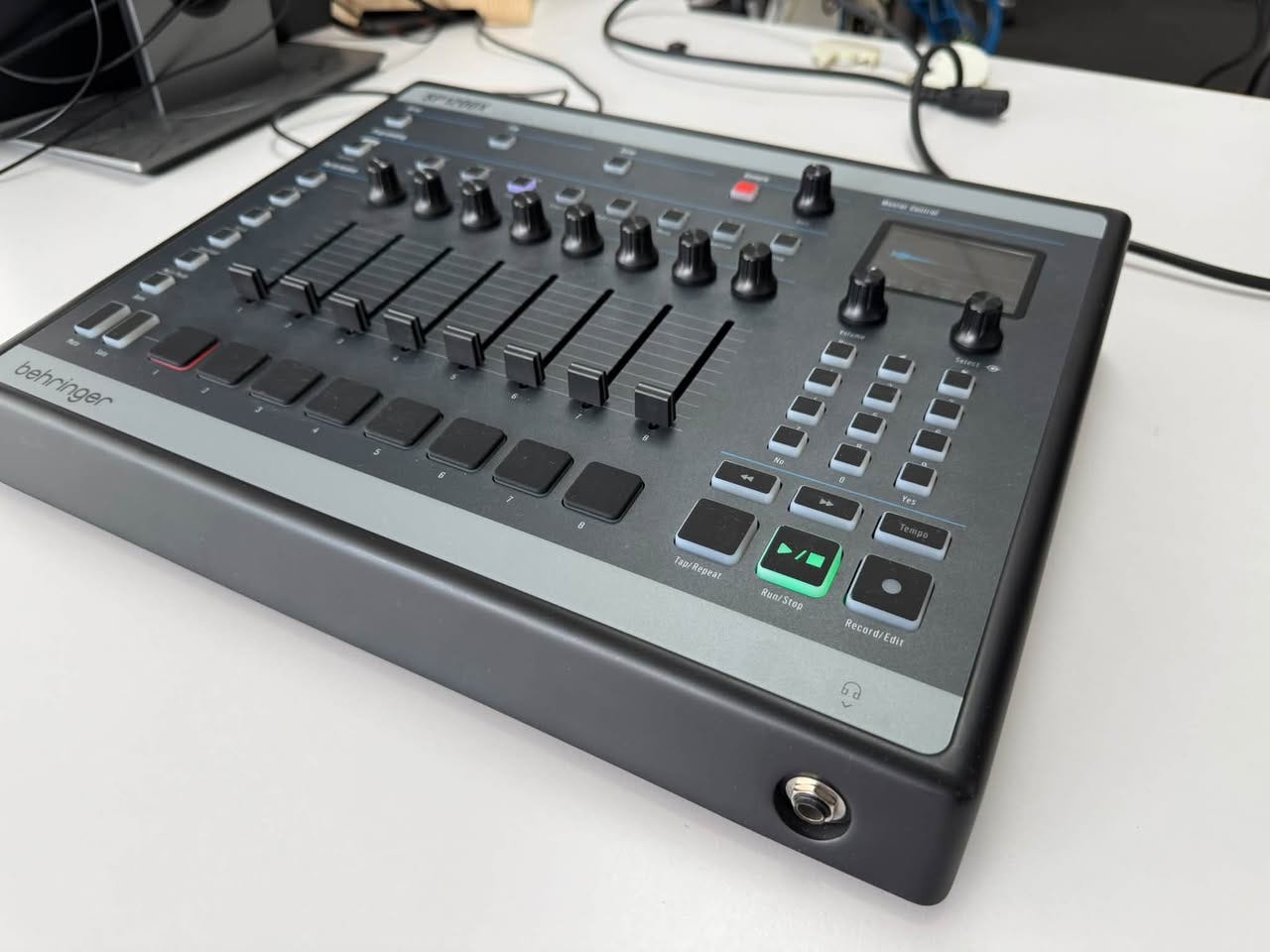
While Behringer has been on a roll teasing these open-source projects, I can’t help but think of what ecosystem they are inside that allows for such vast new development across many different projecs.
Related reading


Zhongshan, China
If you’re not familiar with Shenzhen, China, then it’s a place where you should keep an eye on. Lots of recycled electronics find their home here to be re-sold to a collectors or modifiers market.
Shenzhen also has a region called Huaqiangbei, which is essentially the supply chain for electronics development.
With Behringer's quick deployment, it reminds me of a concept that may be known in the region: you can virtually walk down the street with an idea and come out the other side with a fully fleshed-out product.
While not in Shenzhen,
Behringer’s main factory is in Zhongshan, China, about 30 minutes from the Shenzhen region. While Shenzhen leads in AI development and deployment, Zhongshan leads in AI integration chips, which helps explain the ‘open source’ ecosystem Behringer has rapidly embraced.
Related reading


What’s Next For Behringer / Open Source Community?
Despite their teasing an open-source DJ controller and what feels like fifty guitar pedals
I believe Behringer might set its sights on an MPC3000, but given the open-source nature of its products, I'm pretty sure someone could port a version of JJO’s or the MPC3000 OS to the KICK or IGNITE samplers and essentially have the same product.
And outside of that, I think what’s more important is how other companies like Roland and Akai are to respond.
Behringer has rapidly embraced the open-source community and AI, whereas Companies like Akai have embraced AI as well, but for coding new plugins essentially built on the same Qbuiq format.
Staying relevant may become a massive challenge if AKAI doesn’t start thinking of creative ways to keep its target customer base excited about new products.
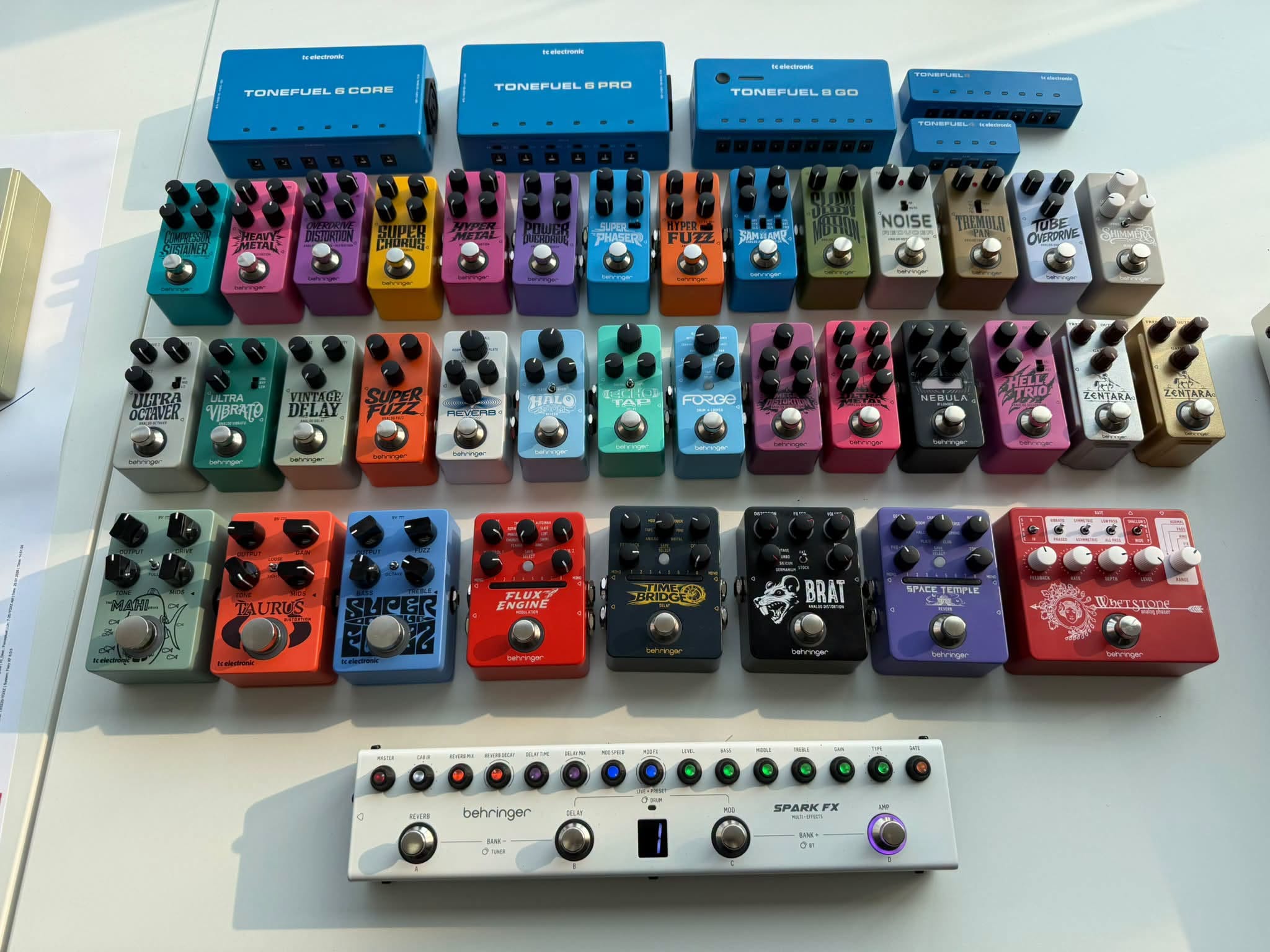
The reliability of the firmware, the durability of the hardware, and the company's longevity are now in question.
Too many SKUs can kill a company quickly, so with all this product development, how many of these SKUs will keep attracting new buyers once word gets out?
A question only time will tell, as this story is still developing
Related reading


Reference
https://facebook.com/100051092642756/posts/pfbid02VW6rtgGj4H1msn8w26iYxrdaiDL4bDUNeZfuNdZLQKUPtSNVqpkLPodmYhgewB8El/