


What’s up Forum,
Having spent the better part of two decades as a fitness trainer, last year was the first time I truly understood the value of my health and fitness. Sure I lifted weights for years, however, by overlooking a few critical aspects of my health, I ended up paying the price big time.
Music producers sit for hours at a time, which weakens the core, stiffens the hips, and leads to lower back pain. The fix isn’t a new chair — it’s daily core activation, active sitting, micro-stretching, deep stretching, and targeted hip mobility work. Small, consistent habits prevent the chronic pain that derails sessions and productivity.
I understand that taking time out of your day or even your workout routine may seem like a monumental task. As a fitness trainer, I can relate to this. Even though I hit the gym about six times per week, I used to neglect my deep core muscles and only stretched for a few minutes post-workout. This led to back problems in the past, and I suffered from a groin issue last year due to overstretching. Although I have recovered from it, I am still only at 90% now.
I know that my ailment was simply the result of years and years of avoiding simple things that could have completely prevented ALL of my back issues. And inadvertently it cost me a lot of productivity, my confidence, and of course, my bedroom life was impacted. For a while, I had pain just from sitting and was unable to sit for almost any period. My work suffered, my music suffered and all I wanted to do was curl up and disappear until the problem fixed itself. The issue was, and still is, that problems don’t just fix themselves, they require some sort of action.
So, let me share a few hacks from my year-long journey, and remember these aren’t quick fixes,
5 Health Tips Every Music Producer Needs in 2026 (To Make More Beats and Move Pain-Free)
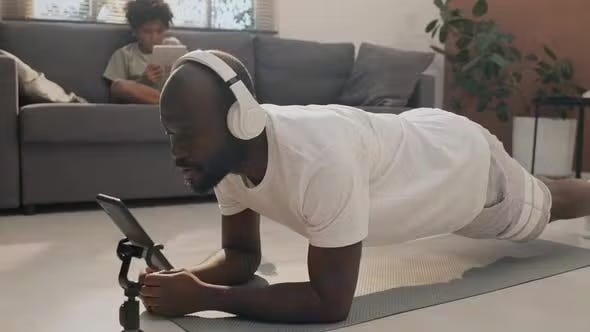
Tip #1. Improve your core
One of the primary causes of poor posture, low confidence, hip pain, groin stiffness, lower back pain, etc is a weak core. Now this has nothing to do with six-pack abs, but rather the muscles that provide support continually throughout the day. Here are three ways to improve your core strength today.
Core Activation Drill #1 -
Lie on your back with your feet flat and knees bent. Place your hands directly over your navel and using your stomach muscles draw your navel inward. Maintain normal breathing.
Core Activation Drill # 2 -
While lying flat on your back with your legs bent and feet on the ground, tilt your pelvis backward and bring both legs up to a 90-degree angle. Slowly lower one heel to the ground while keeping your knee bent and slowly bring it back up to the starting position. Repeat with the other leg.Core Activation Drill # 3 -
While standing, maintain a neutral hip posture and draw the navel in and up. Again maintain normal breathing
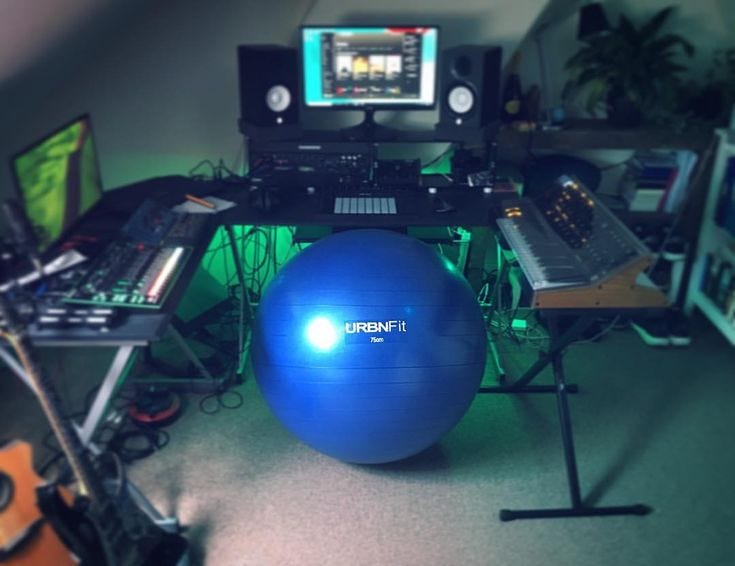
Tip #2. Active Sitting
If you’ve just invested in a gaming chair you may be pissed at me, but instead of using a chair, use something like this or an active chair/stability ball that forces you to keep your core engaged.
By sitting this way, much of the pressure typically placed on the lumbar spine is distributed throughout the core. Since this is how our bodies typically function you may find a reduction in lower back stiffness and pain.
If you’re like me and prefer standing at your desk I’ve got you covered.
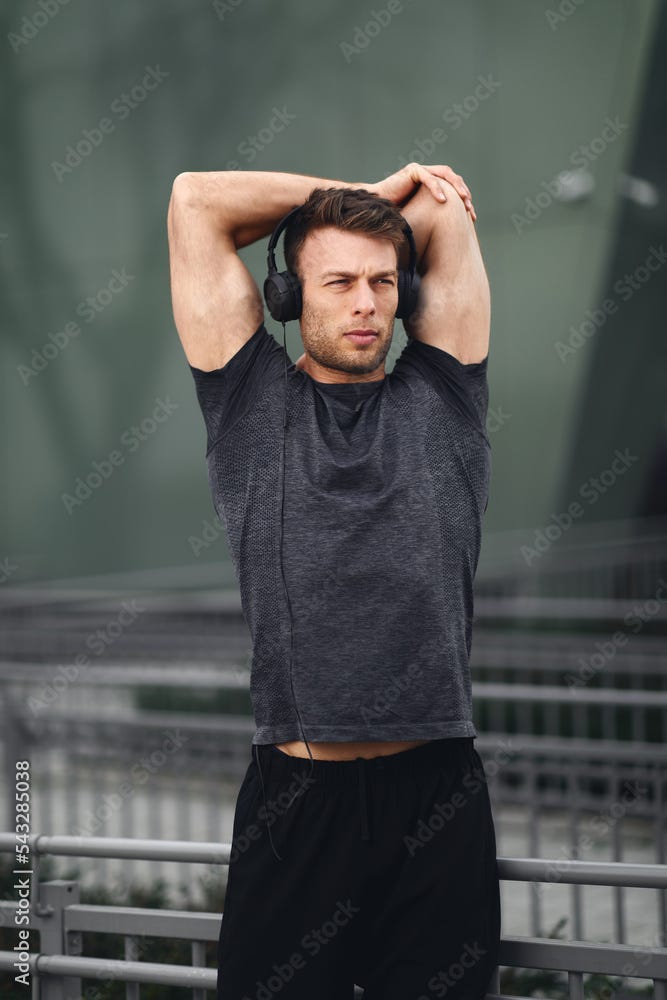
Tip #3. “Micro Stretching”
This is something that you may already do. Getting up periodically to stretch and do a few neck rolls or toe touches can go a long way. To take this a step further optimize your time based on your age. The older we are the longer we need to hold stretches so refer to the chart below to get an idea of how long you should be holding your stretches.
20’s and 30’s - Hold each stretch for fifteen to thirty seconds. You should
40’s and 50’s - Hold each stretch for thirty to sixty seconds. you’ll need to hold the stretch a little longer as our flexibility decreases a bit.
60s and older - You’ll need to hold the stretch for almost two minutes. This allows the perfect time for muscles and connective tissues to relax.
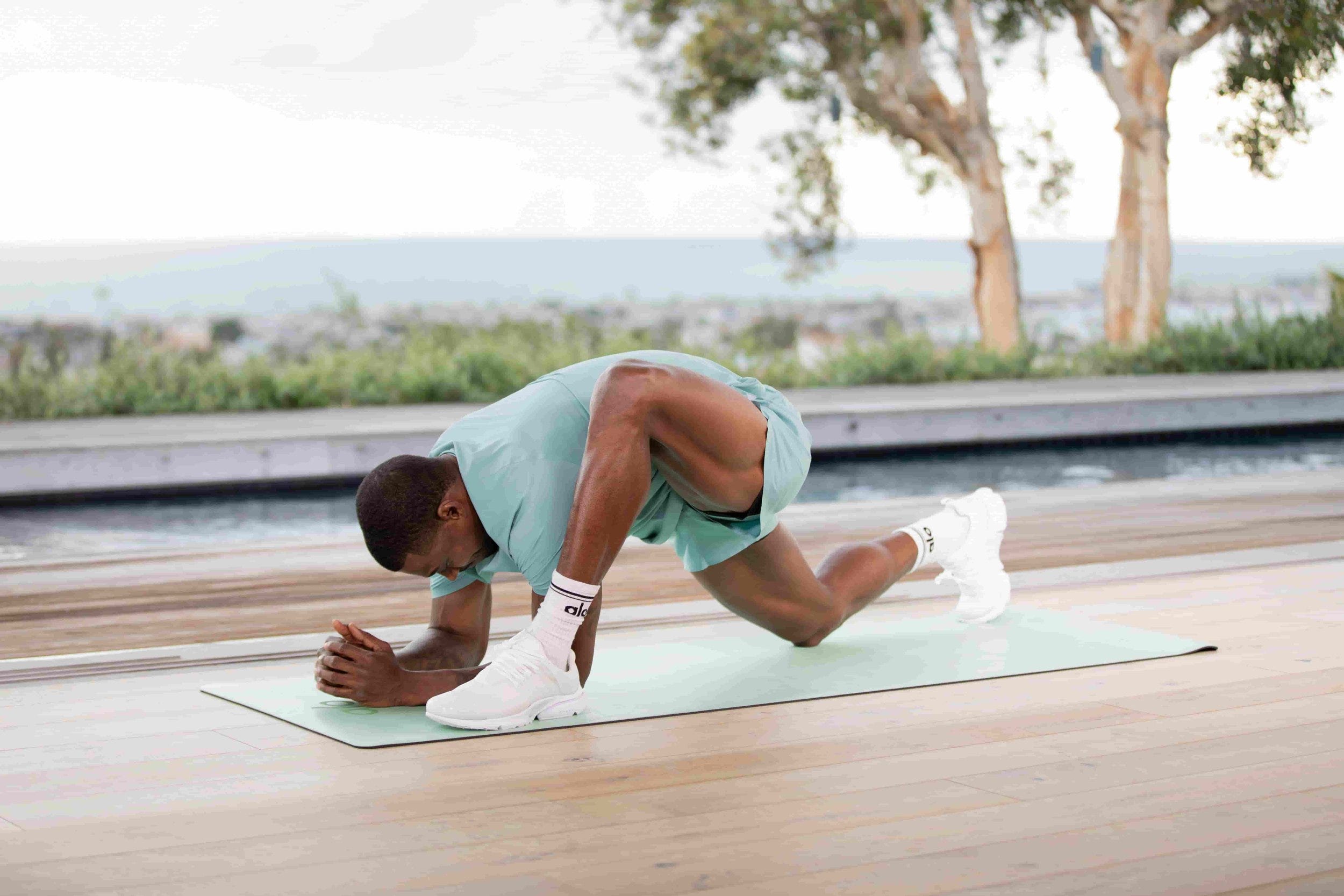
Tip #4. Daily Deep Stretching
Even if you do a bit of micro-stretching throughout the day, taking ten minutes of active deep stretching/mobility can increase your range of motion. Perform these movements for about sixty to ninety seconds each.
Child’s Pose - kneeling on the floor with toes together sit back on your heels. Resting your forehead on the floor, extend your arms out in front of you, and breathe in through the nose filling up your ribcage and slowly out of the mouth.
Downward facing dog - Start on all fours or quadruped position. Pushing your hips back straighten your legs. Keep your heels flat on the floor and breathe in through the nose filling up the ribs and slowly out of the mouth.
Side Lunge Adductor Stretch - Begin in a wide stance position. Shift your weight to one side bending your knee until you feel a stretch on the inside of the opposite leg. Hold then return to starting position. Maintain normal breathing.
Rounded back toe touch - While standing bring the feet together and round shoulders inward. Take a deep breath, tuck your chin, and while keeping your arms straight slowly exhale while sliding your fingertips down your legs. Hold and breathe deeply into the ribcage. Inhale while returning to the starting position
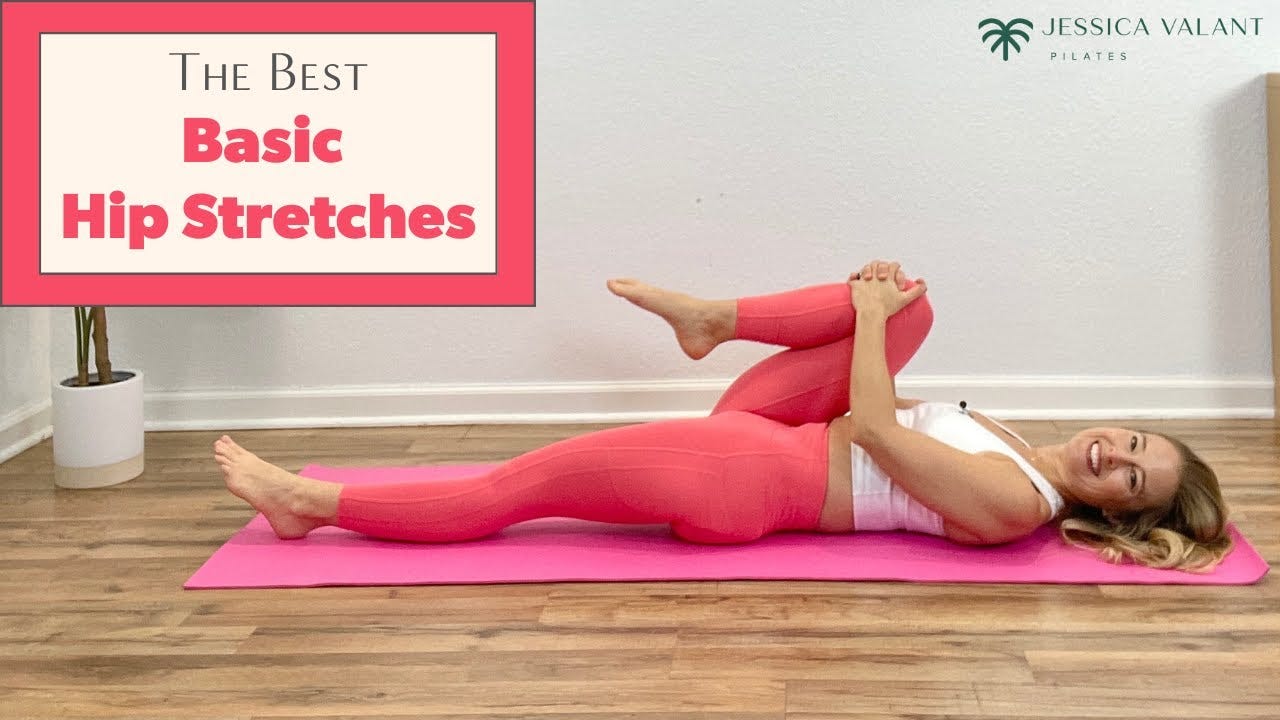
Tip #5. Fix Your Hips
Having stiff hips affects almost everything in life. Legit, you need your hips for everything, Especially bedroom performance. It doesn’t take much other than a few simple movements per day to improve your hip mobility and reclaim your bedroom beast title.
Kneeling Hip Flexor Stretch - Begin in a half-kneeling] position with one knee bent in front of your body. Tighten your abdominals while tilting your hips backward. Gently pushing your hips forward draw in the breath and hold for about thirty seconds. Return to the starting position and repeat
“Dirty Dogs” - Begin in all fours position with knees directly under hips. Keeping your hips facing the floor and knees bent begin to move one leg up to the side of the body. Hold for a brief pause and return to the floor. Repeat for about fifteen repetitions or 20 seconds.
Single Leg Bridge - Begin lying on your back with your knees bent and feet on the floor. Lift one leg off of the floor bending the knee to a 90-degree angle. maintaining this position engage your core stomach muscles and slowly lift your hips off of the floor into a bridge position. Hold for a brief pause and return to the floor.
More Stretching Isn’t the Fix
Most producers who feel stiff reach for more stretching. But stretching a muscle that’s weak just makes it more flexible and still weak — which is often how the groin and lower-back injuries in Tip #1 actually happen. The muscles that hold your posture together during a four-hour session need to be activated and strengthened, not just lengthened. Stretching without core work treats the symptom, not the cause.
Myth: “A Better Chair Fixes Your Posture”
An expensive ergonomic chair supports you passively — it doesn’t build the muscles that hold your posture up when you eventually stand, lift, or sit somewhere else. A great chair can reduce pressure while you’re in it, but it can’t replace core strength. Producers who rely on the chair alone often find the pain just moves somewhere else instead of going away.
So, let me share a few hacks from my year-long journey, and remember these aren't quick fixes — this is the actual order I worked through it: core activation drills first thing, active sitting during the session itself, micro-stretches between takes, ten minutes of deep stretching once a day, and hip work worked in wherever it fit. Nothing here is instant. It's the compounding of small things, done consistently, that actually reversed it.
KEY TAKEAWAYS
Weak core — not bad luck — is behind most producer back and hip pain.
Small daily habits (2–10 minutes) beat sporadic intense workouts for desk-based pain.
Fixing mobility isn’t just a health issue — it directly protects your focus and session output.
F.A.Q
Can sitting all day really cause hip and back pain for producers?
Yes. Extended, static sitting weakens the deep core muscles that stabilize the spine and hips, which is a well-documented driver of lower back and hip pain in desk-based work of any kind, including studio sessions.
What’s the best chair for music producers?
There’s no single “best” chair — an active chair or stability ball that keeps your core engaged tends to reduce lower back stiffness more than a passive, fully-supportive chair.
How often should I stretch during a beat-making session?
Micro-stretch every 30–60 minutes, and add one longer 10-minute deep stretching session per day for the biggest gains in range of motion.
Does a standing desk fix producer back pain?
It can help by breaking up static sitting, but standing with weak core and hip muscles just shifts the same problem to a different posture. It works best combined with the core and mobility work above.
What is “active sitting” and does it actually work?
Active sitting means using a surface (active chair, stability ball) that requires ongoing core engagement instead of passive support. It works by redistributing load off the lumbar spine and back through the core, the way your body is designed to bear weight.
How long should I hold stretches based on my age?
Roughly 15–30 seconds in your 20s–30s, 30–60 seconds in your 40s–50s, and up to two minutes at 60+, since flexibility and recovery time both decrease with age.
Can poor posture actually affect my mixing decisions?
Indirectly, yes — chronic discomfort is distracting and fatiguing, which shortens focused listening time and can lead to rushed decisions late in a session.
Is a strong core more important than visible abs for producers?
Yes. The core muscles that matter here are deep stabilizers, not the surface muscles tied to visible definition — you can have a strong, functional core with zero six-pack.

![How to Fix the MPC 3.9 "Core Oscillators Missing" Bug [Manual Installation Guide]](https://substackcdn.com/image/fetch/$s_!BrzY!,w_140,h_140,c_fill,f_webp,q_auto:good,fl_progressive:steep,g_auto/https%3A%2F%2Fsubstack-post-media.s3.amazonaws.com%2Fpublic%2Fimages%2F0ee8a7c7-f4c8-45db-9373-99277df56775_500x500.jpeg)

It may not seem obvious at first, but having poor posture, chronic pain, and even stiff muscles can affect your confidence, your performance, and your productivity big time. Combine that with working long hours, job insecurity, and the stresses of just trying to make music, it’s the perfect recipe for burnout and chronic issues.
Pain is the perfect stressor, it can be distracting from work life and relationships making you want to isolate yourself and disrupting your special time with loved ones. If you were anything like me, feeling stiffness, pain or any discomfort in your body can make you anxious and may even trigger depression.
By fixing some of the root causes of decreased mobility and muscle stiffness, you can start to reduce the probability and even the symptoms of ‘producer life’ or desk life. Just by addressing these simple things you CAN be more mobile in your off time, you WILL stay in your zone longer when working and you’ll be a BEAST in the bedroom.
Hope this helps
~Chill