


What up Forum,
So first off I use these cables to record the audio from my Audient iD44 into the Akai Force👇🏾
You’ll need these, otherwise this wont work)

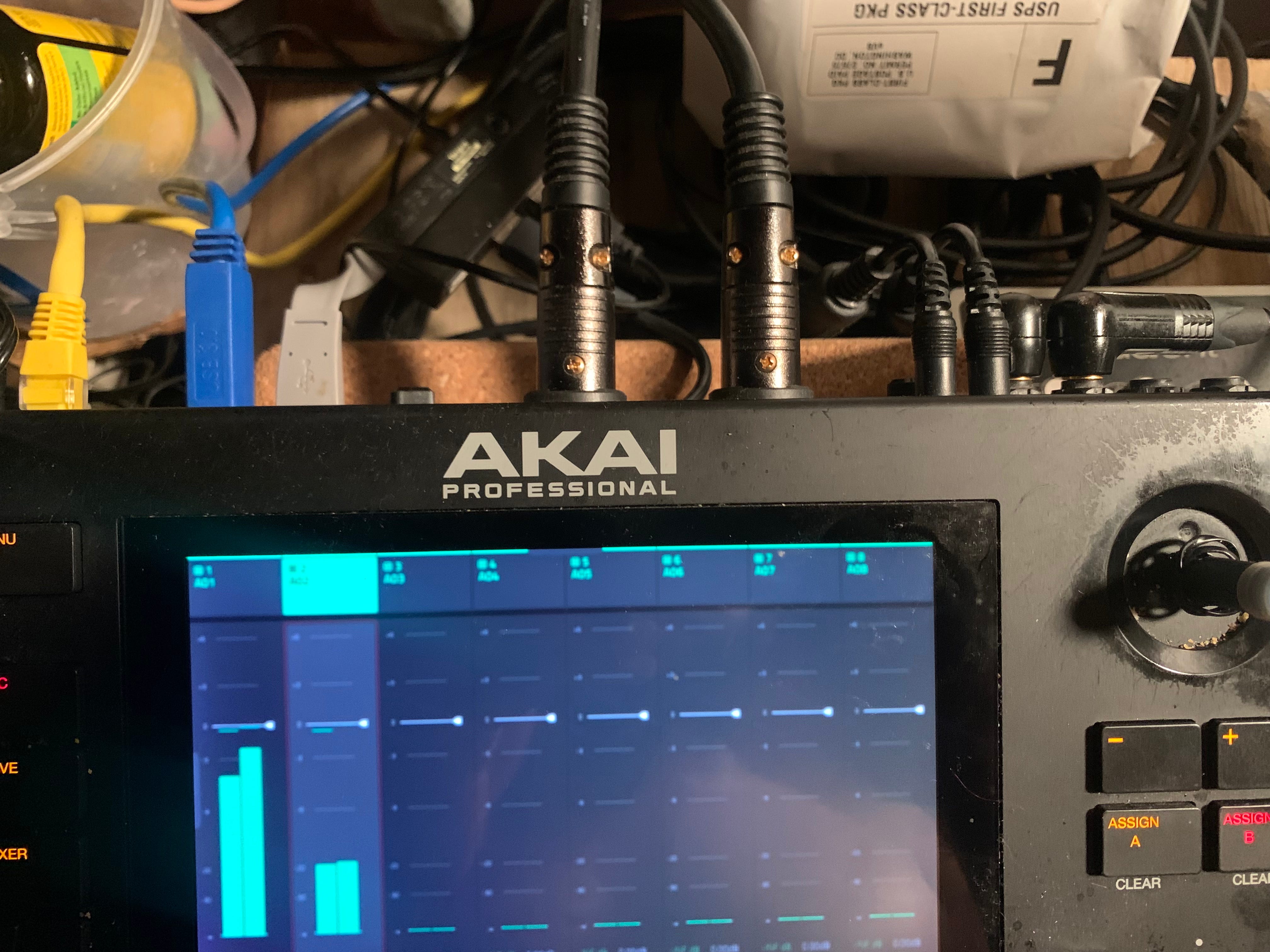
And second, this is exhibited BEST at 16Bit.. The distortion sounds nice there. (24Bit works too)
Though I’m showing you this on the Force, if your sampler/MPC has XLR inputs for preamps then you should be able to replicate what I’m doing here.
LET'S ANALYZE FIRST
Let’s take a look at the two side by side before we listen.
As you can see here, I’ve got one version of the sample which was printed inside of MPC software, and another that was recorded through the preamps on the Akai force.
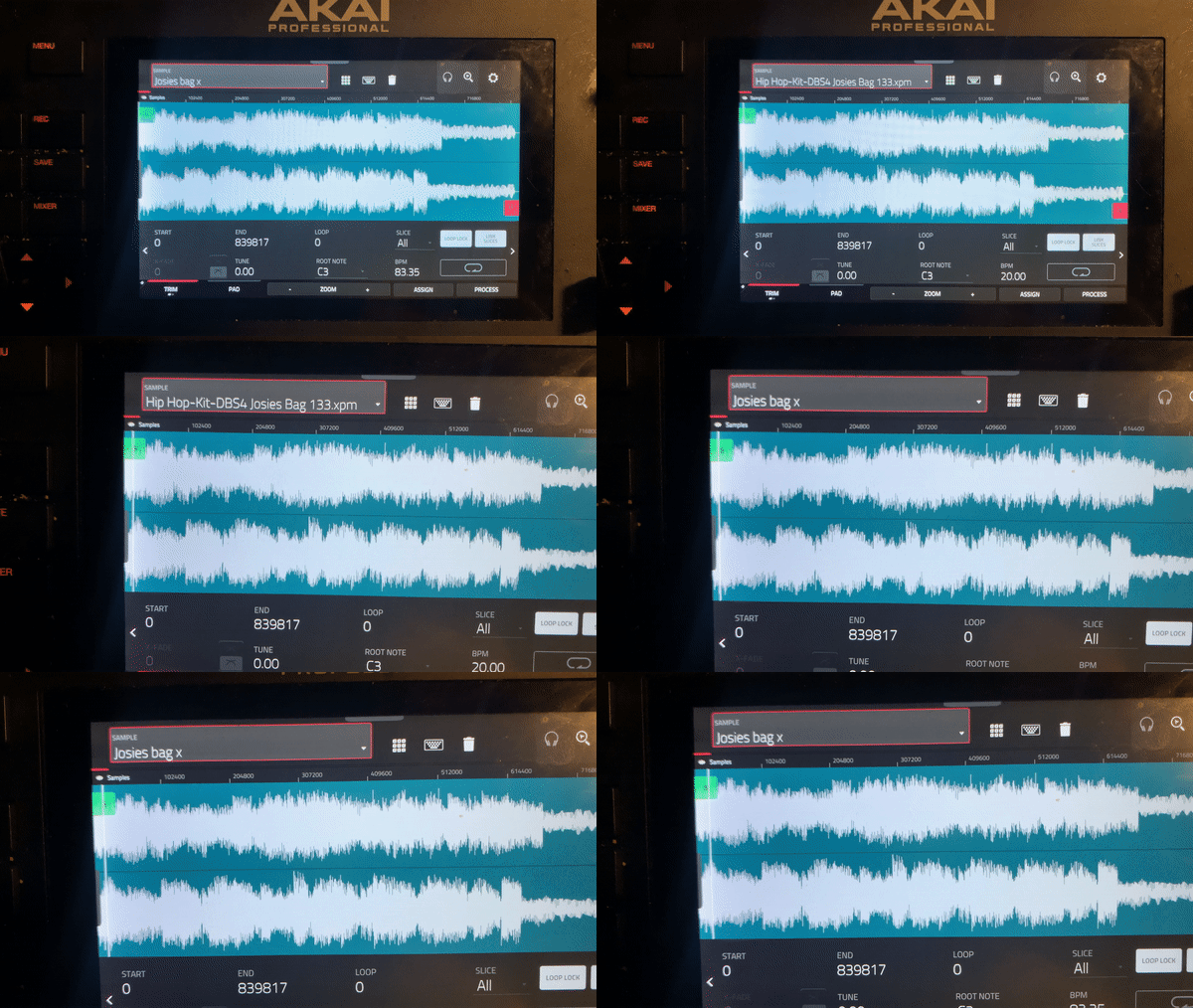
At first glance, it doesn’t look like much is happening, but these two have been matched painstakingly sample for sample so the waveforms line up and have been normalized to -0dB.
I know this is not an exact science, however, the first thing I noticed was a warmer, fuller sound with a little of the highs rolled off.
Let’s take a listen to the original:
And now let’s compare that with the original that was recorded THROUGH the preamps on the Akai force.
So right away there are two things that I noticed,
The highs sound a little softer to me,
And the stereo image seems to be a little more in your face as the instrument placement seems to feel more analog.
. (hoping that substack doesn't have some sort of compression algorithm for audio files if that’s the case you can find the original samples here)
The third thing is that it’s not some magical ‘sound goodizer’ thing, but after running a few of my other samples through this combo I realized I like the subtle 3D imaging the distortion is bringing out.
there is a subtle gain difference of about -.15dB and -.05dB at the lowest and loudest points which indicates to me there is some subtle harmonic distortion being added to the signal which explains the waveform differences in amplitude.
I’d honestly put this into my ‘secrets’ bag because it’s one of those things that is really not necessary to get a great sound.
however, any recording engineer will tell you that preamps are one of the more important stages in the recording process as they add the most color.
But what does this have anything to do with 'the Analog Sweet Spot’
I pretty much cover the analog sweet spot in my ‘Gain Staging’ post

But what I forgot to do in that post was really explain how you can use it in the Akai universe.
The newer MPC’s come with onboard discrete preamps,
Again, if you know an audio engineer, ask them about preamps and if they matter in the recording process.

Akai states that when using a 1’4” cable, the preamp is removed from the circuit.
depending on what you want this could be a good or bad thing.
if you’re looking for more sonic characters like me, then it’s a good idea to plug into the XLR inputs in the back to engage the preamp prior to recording.
** You might want an outboard compressor to normalize the signal a bit prior to recording into the preamp**
However, if you want a clean input and don’t have the extra $$ to shell out on some 1’4” to XLR cables then add your own harmonic distortion inside of the box, You have endless options with this one.
How I ‘found’ the analog sweet spot (and you can too)
was actually by chance,
I was listening to the JBP and turned off my Force due to some error.
while turned off, I could still hear the faint distorted parts of the podcast through the headphones
(I record my computer audio through my XLR inputs)
I was instantly reminded of some of the mastering/limiting plugins like ADClip7 from Airwindows that let you hear the clips when limiting.


and the concept there is to either keep OR back off the gain until the clips are at an inaudible OR pleasantly audible level.
SO applying the same concept to my mic pre’s I just backed off the signal until I didn’t hear the clips anymore.
then, checking my interface, I took note of the gain.
When I turned the force back on and heard the audio I was pleasantly surprised that my preamps sounded WAYY better than i had previously thought.
I know this is not the ‘VU meter’ technical way of finding the sweet spot, however, i trust my ears. So I’m asking you to trust you're ears too and try it out.
try the above steps and see how you feel about the sound that you get from your samples.
do an A/B comparison yourself..
(A few notes)
You dont necessareily have to turn your machine off to do this
Try the “Beginners Compression method” and drive the signal until it sounds a little crunchy..
Then
Back off until the sound is sweet to your liking.
Either way, it’s a bit of sauce that is right there on your MPC/Force.
if you have a VU meter or some other specialized tool you’ll be able to do this for yourself more accurately..
I’ve seen so much debate back and forth over the converters, from producers and beatmakers who are not getting the most out of the gear they have.
Class A discrete Preamps sound pretty nice,
When you use them.
Just saying.
*They sound even better when you leave the pres on for extended periods of time..