


🔊 MIX NOTES: 3 Mistakes Beginners Make with Reverb (and How to Fix Them)
“Mixing is problem solving, not perfection.” — Will (SOVLTRON)
What’s up, Lab Crew!
Like compression, reverb can be one of the more challenging aspects of a mix to get right, but when done right, it can make the entire mix sound larger, more three-dimensional, and realistic. Today, we’ll cover some of the biggest mistakes you may be making with reverb and simple ways you can fix these today.
INTRO: Why This Matters
Reverb is the rookie producer’s love affair. It’s seductive because it makes everything sound big, emotional, and spacious — at first. But without control, reverb will eat your mix alive. Mud creeps in, vocals get lost, and suddenly you’re wondering why your song sounds like it’s being played in the back of a cave.
Today’s Mix Notes aren’t tied to one subscriber’s track. Instead, I’m tackling three of the most common mistakes I see beginners make with reverb — and more importantly, how to fix them so your mix translates like a pro’s.
Want to submit your own mix for next week’s breakdown?
1. OVERALL IMPRESSION
When I listen to beginner mixes, I often hear too much room, not enough definition. The intent is there — wanting size, wanting vibe — but execution gets in the way. Think: the vocal sounds like it’s in a cathedral, while the snare is swimming in a completely different room. Depth becomes clutter instead of clarity.
2. WHAT’S WORKING
Before I dive into mistakes, here’s what I love about beginners’ approach to reverb:
Fearless/Pure creativity. New producers aren’t afraid to experiment with lush spaces.
Instant vibe-setting. A little reverb can quickly turn a dry loop into an actual ‘voib’.
Genre exploration. Whether it’s trap, house, or indie pop, beginners instinctively use reverb to make their sounds more interesting.
That instinct is fine — it just needs refining.
3. MIX CHALLENGES (aka The 3 Big Reverb Mistakes)
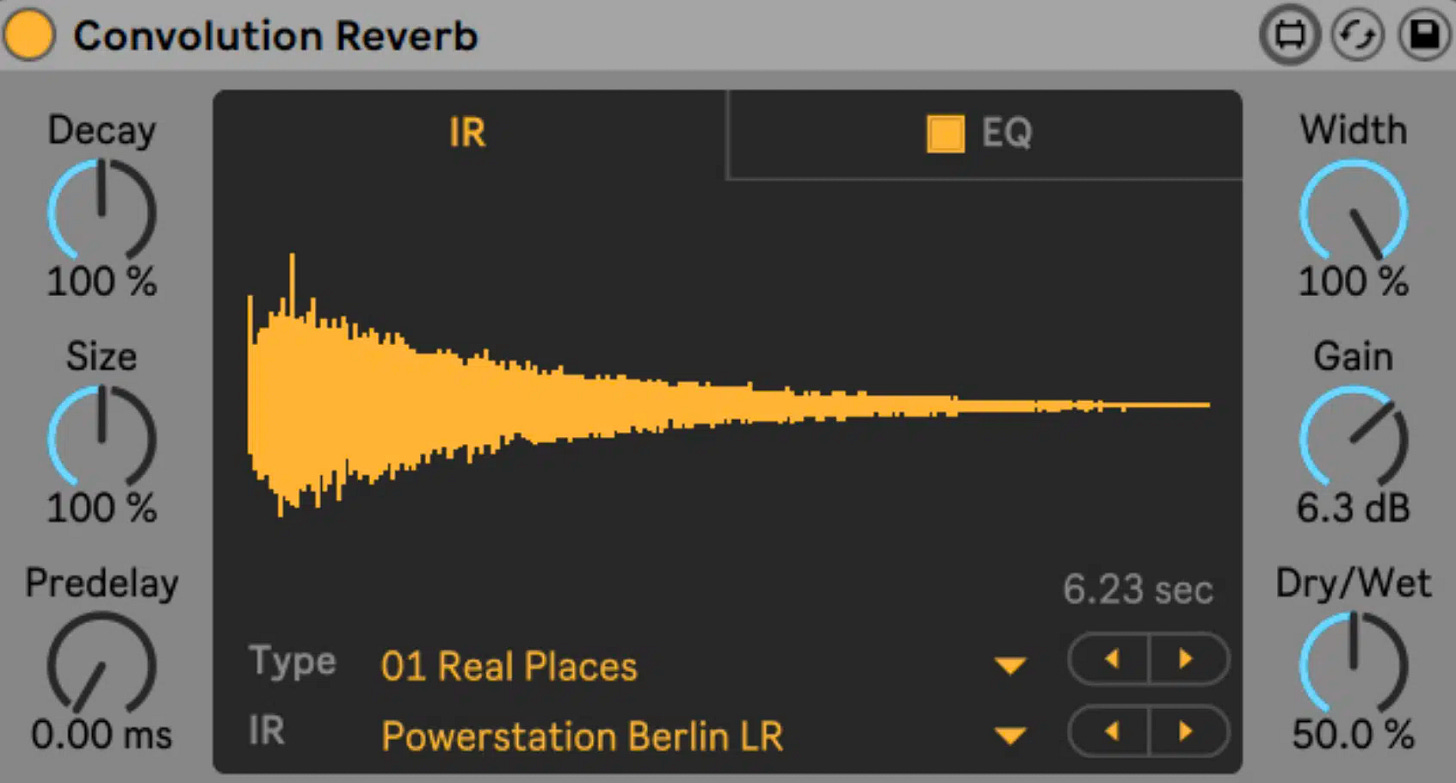
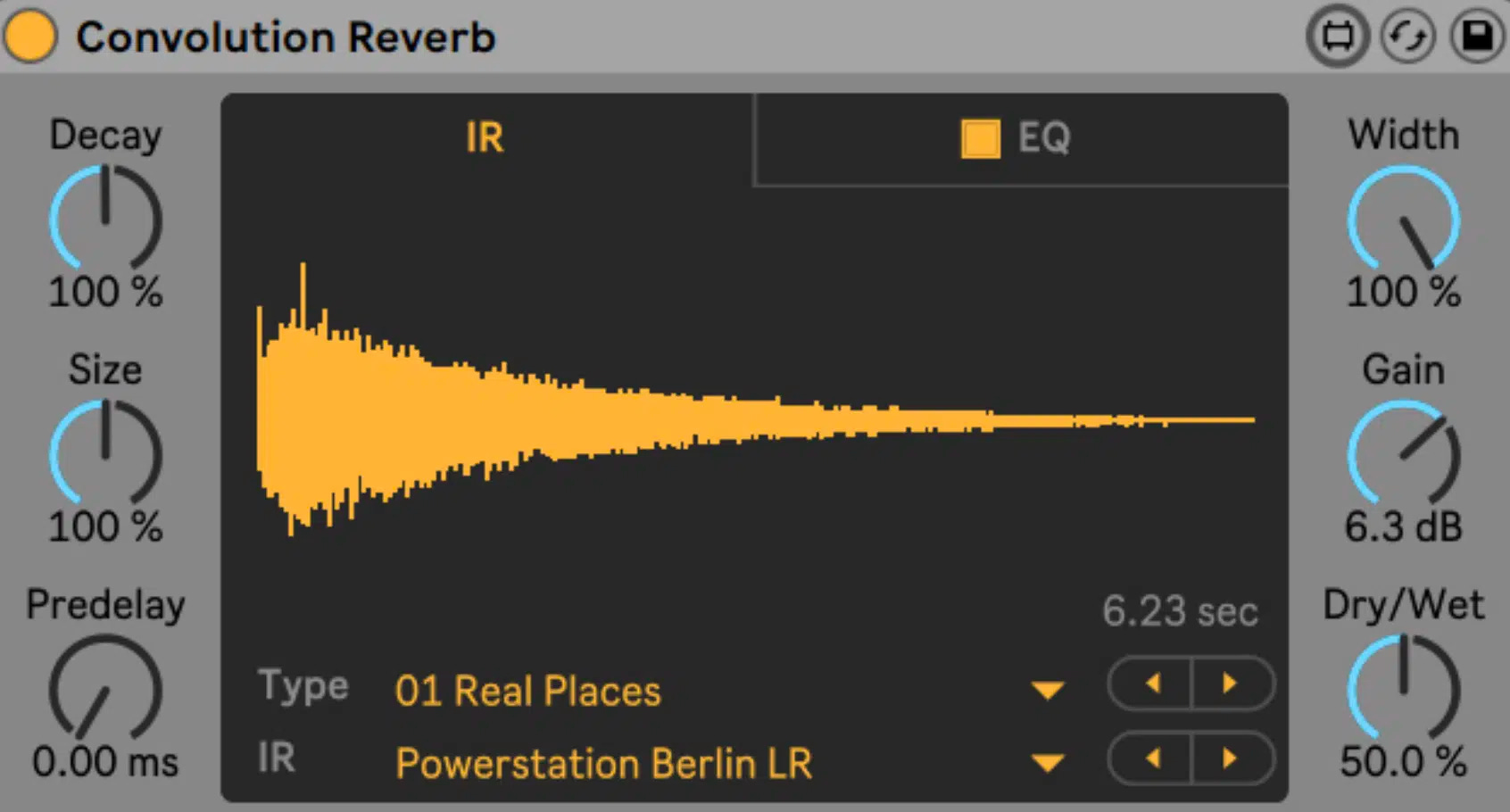
Mistake #1: Too Much Reverb on the Lead Vocal or Melody
The classic rookie move. You slap a hall reverb on the vocal and suddenly it sounds like it’s three zip codes away. The emotion disappears.
Problem: Lyrics lose intelligibility, vocal feels disconnected.
Mistake #2: Using Only One Reverb for Everything
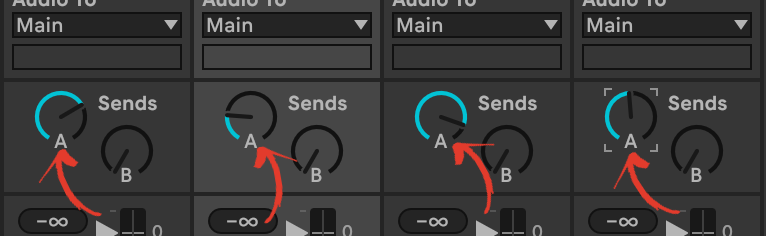
Different sounds need different spaces. Throwing your drums, vocals, and synths into the same hall reverb makes the mix sound flat, not cohesive.
Problem: Instruments blur together, stereo image collapses.

Mistake #3: Not EQ’ing the Reverb Return
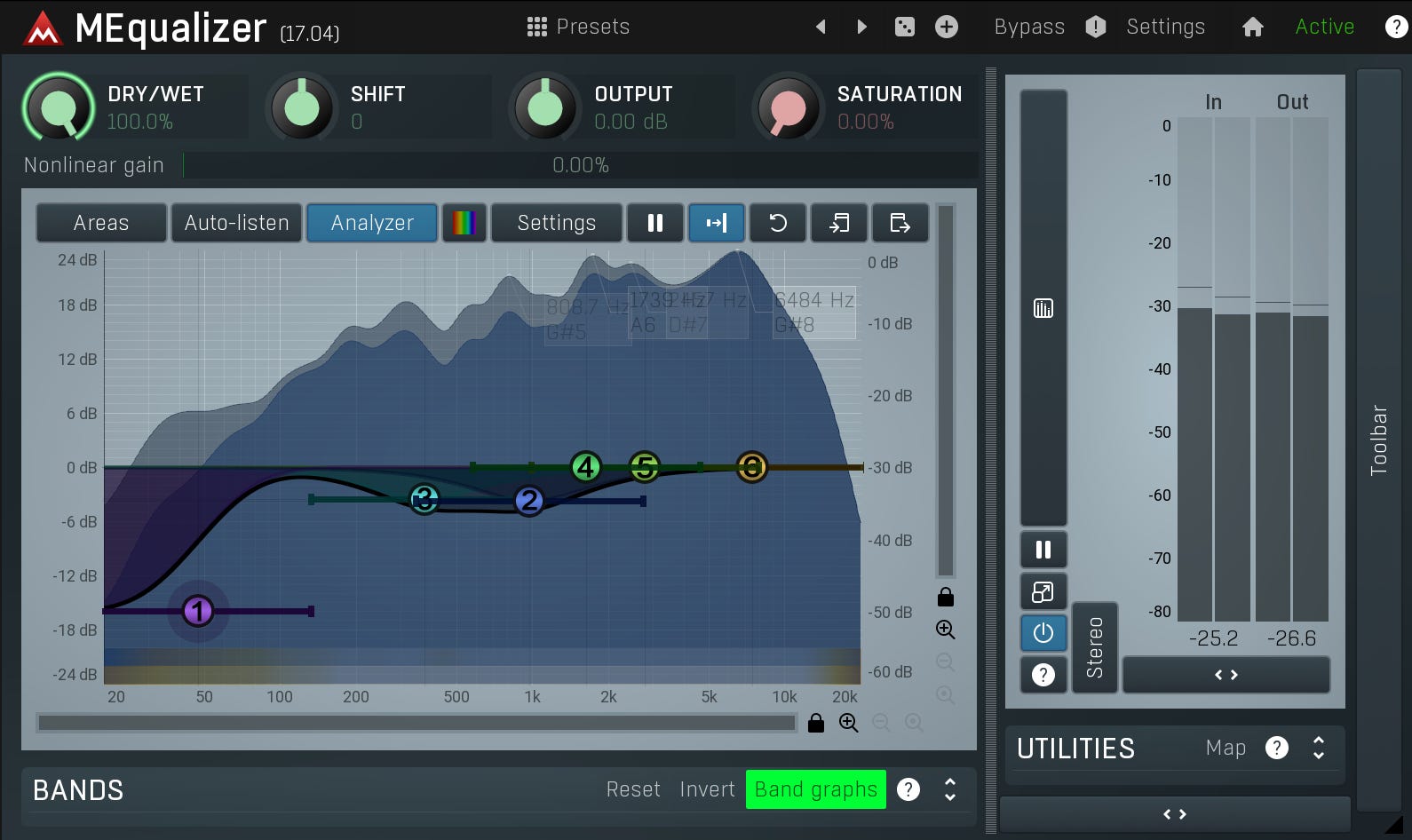
Reverb is just another signal, and it carries frequencies that can fight your mix. Low mids especially (200–500Hz) can turn into mud city if you don’t carve them out.
Problem: The mix gets boxy and unclear, even when levels feel right.

(**Bonus** Mistake #4: Too Many Darn Reverbs )
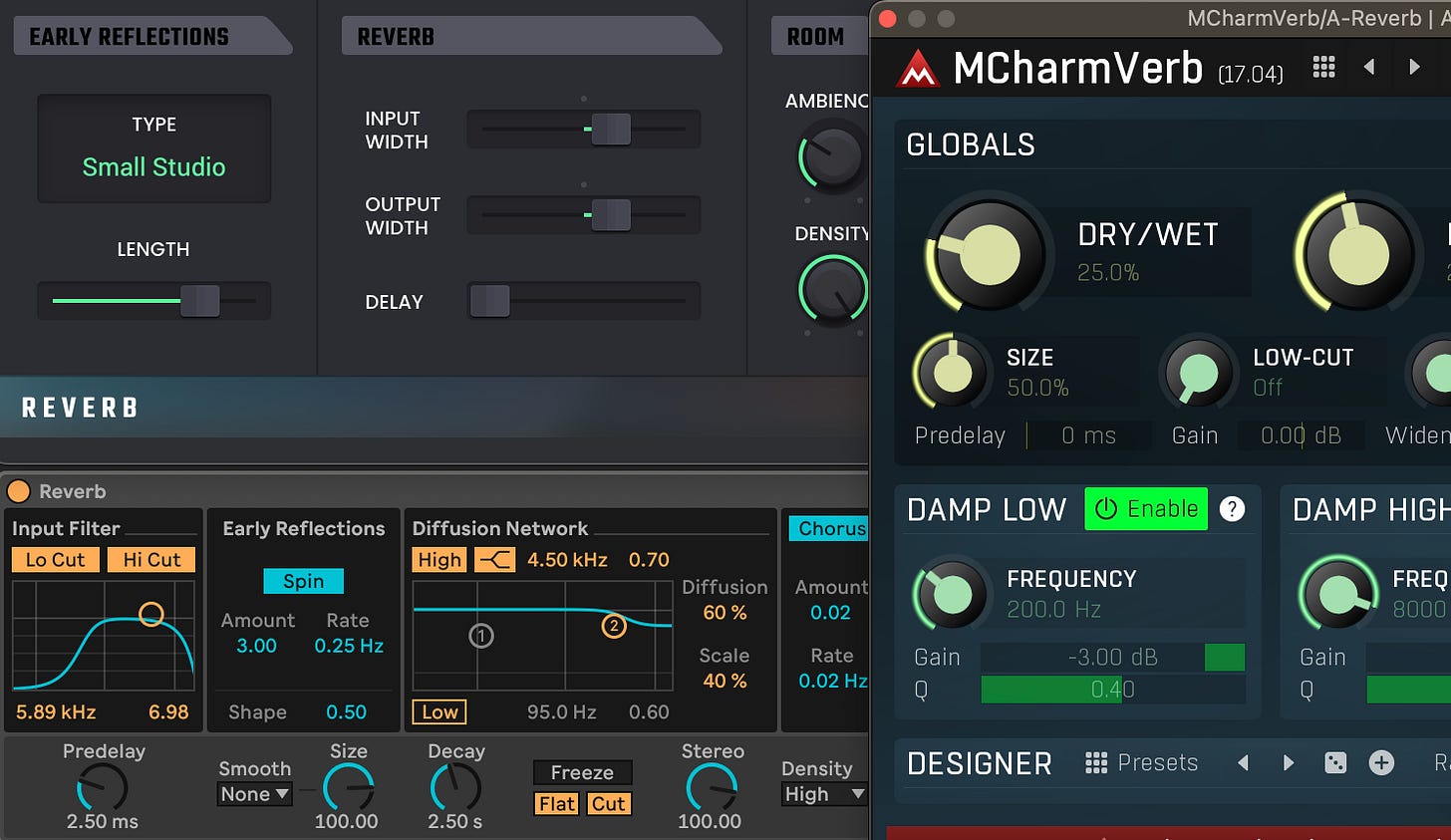
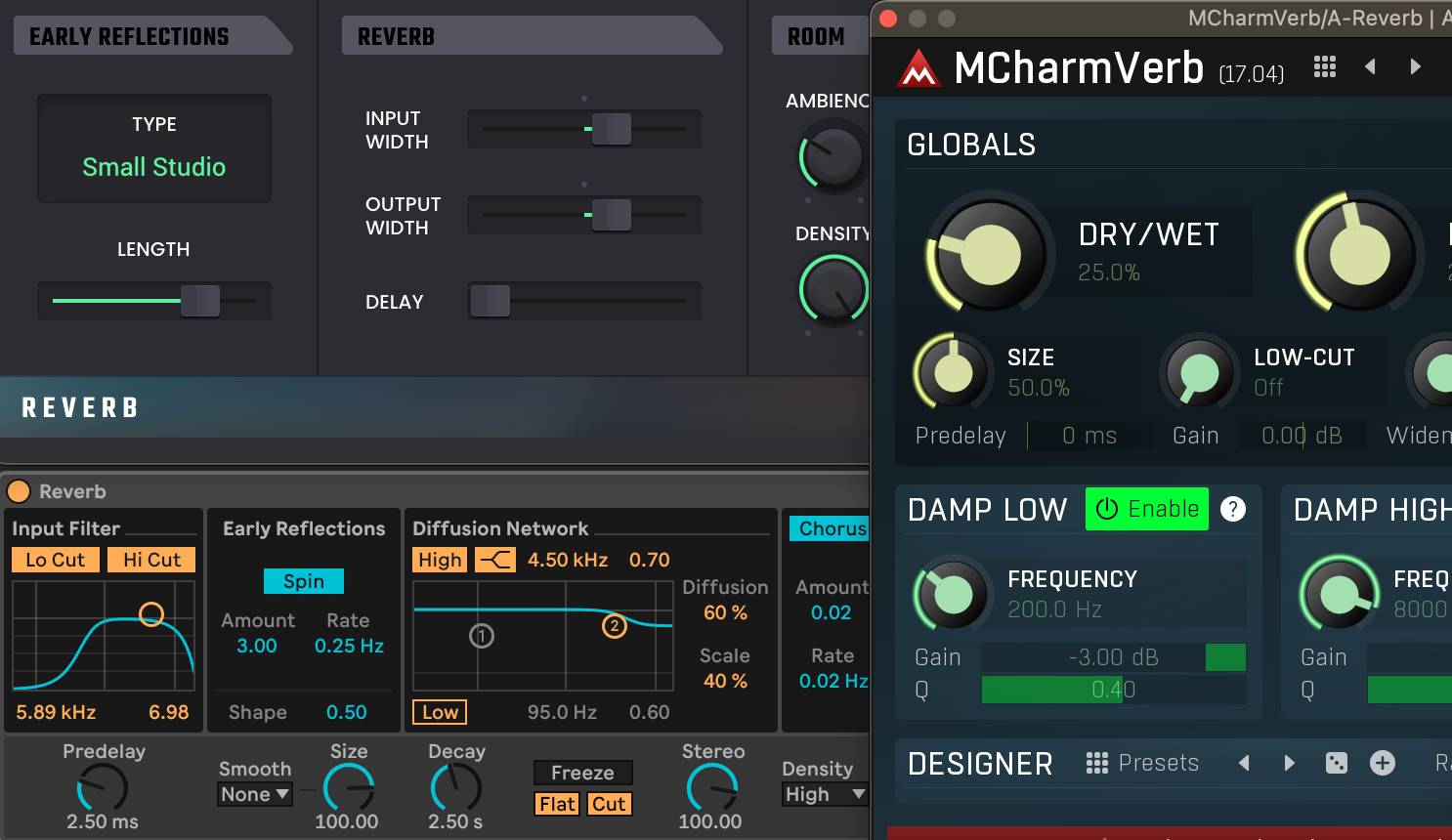
Remember, Reverb is just another signal, and when you have multiple plugins that use reverb, all of those different signals will clash, creating nothing but mud.
Problem: The mix gets unclear and congested, leading to less separation between elements.
4. ACTIONABLE FIXES
Here’s how to tighten up your reverb game immediately:
Control the vocal verb. Start dry, then add reverb until you feel it just before you hear it. Automate more reverb into breakdowns or quiet sections.
Use layered reverbs. For example: short plate on the snare, small room on the drums, hall or lush plate for vocals. Different spaces = depth.
EQ your reverb returns. High-pass at 200Hz, low-pass around 8–10kHz to keep it tucked. Dip around 300Hz if it’s cloudy.
Experiment with pre-delay. 20–40ms pre-delay lets the dry sound cut before the reverb blooms, keeping definition.
🎧 IF THIS WERE MY SESSION...
If I had this track in front of me, I’d start by muting all reverbs. Then I’d bring them back one at a time, shaping the return with EQ and compression just like any other instrument. I’d set different reverbs on sends — short plate for presence, hall for vibe — and automate them based on what’s happening in the overall song.
The goal isn’t less reverb. It’s intentional reverb — creating depth without drowning the mix. That’s the difference between amateur space and professional polish.
💬 DROP YOUR THOUGHTS
What’s your biggest struggle with reverb? Are you guilty of any of these three mistakes? Let’s break it down in the comments — your insight helps the whole Lab learn.
— Will (SOVLTRON)
First to comment! Where is everyone? Thanks for these articles, I'll be returning for more.