


How To Pitch Beats To Major Artists (Without A BeatStars Link)
What’s up, Lab Crew,
SO here is a simple infrastructure ‘hack’ that can instantly be taken seriously in circles where it matters.
Most producers think beat shopping is about volume: create your BeatStars and spam people with enough links; eventually something will stick. But the ones who break through aren’t doing more per se; they’re doing things differently. They built an infrastructure alongside connections.
This post will break down the exact approach I used as SOVLTRON to protect my beats, register rights, and always be ready to deliver a high-quality professional pitch while remaining humble.
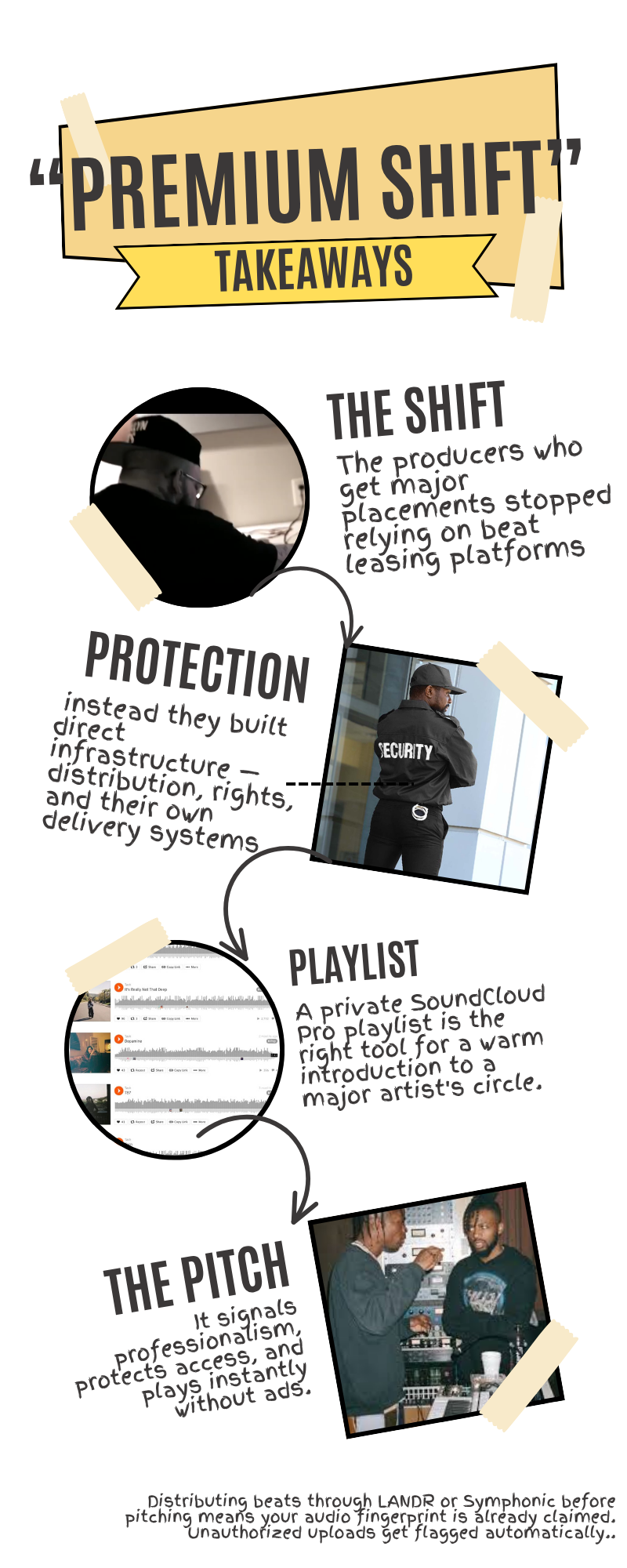
TLDR: To Pitch beats to a major artist, or even get ready for a major studio session, meeting, etc make sure your catalog is already distributed via a service like LANDR. Register with BMI, The MLC, and SoundExchange, then create and deliver a curated private SoundCloud Pro Playlist. NOT BeatStars links or Spotify Profile. Having your distribution creates the fingerprint protection you need to operate professionally; SoundCloud delivers the playlist experience that you can customize on your site or for your clients.
Why The Best Producers Walked Away From Beat Leasing
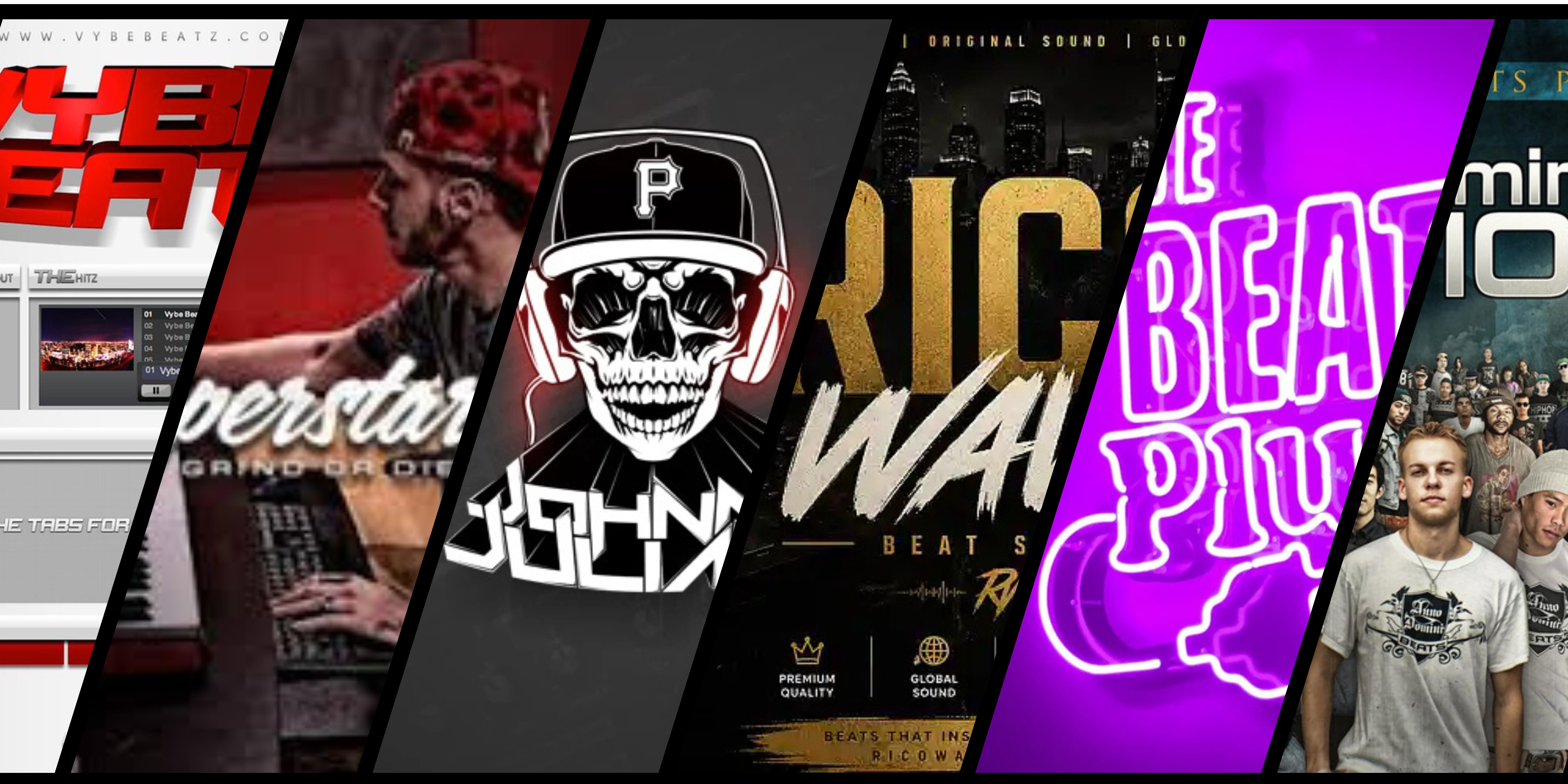
Over the years, I noticed that a lot of the producers who made a big name for themselves went away from beat leasing and typically were working directly with artists. People like Superstar O, Anno Domini Beats, and Johnny Juliano were once dominating the SoundCsolick lane; now these guys were creating their own infrastructure, their own networks, and weren't relying on selling the same lease over and over. Even Soundcloud producers were choosing to stay within their ecosystem and weren't relying on beat leases. Even though DJ Pain1 is correct that selling leases is not dead, there is more than one approach to making money and getting placements.
The Cold Outreach Myth: Why Sending More Beats Gets You Nowhere
In the past, I've definitely sent out beat packs, sent cold DMs, emails, etc. And for the most part, all of that effort yielded very few results. I've sent beat packs or Dropbox links only to find the track has been used and credited to someone else. So along the way, I've learned valuable lessons about who to trust and how to present myself as a producer.
The issue with cold outreach isn’t just that people ignore your messages. It's the format altogether that signals the wrong message. A Dropbox link simply says ‘these are files, ’ not necessarily a body of work. A BeatStars link signals that your work is available to anyone with $30 (and they’ll be fighting these people for months to take their content down)
Neither method signals that you’re a serious producer with a real catalog, real dedication to your craft, and a real business behind the process of creating music. The producers who are getting placements at the major level aren't betting on some major artist seeing one of their thousands of emails. They aren't going harder on DM’s; rather, they built a system that takes care of the business first and lets the music do the talking second.
The Infrastructure Stack: Distribution, Rights, and SoundCloud Pro

So right now I'm currently releasing through my distributor, which hits all major platforms. Places like LANDR and Symphonic are phenomenal for this. Next, I registered with The MLC. This makes sure all streaming platforms can stream and pay out royalties from my music. SoundExchange makes sure that royalties are paid out on other platforms like XM radio and Pandora, which is important. Your music could be playing on some random person's Pandora, and you're not collecting your royalties.
The PRO step here is signing up for a SoundCloud Pro account. This allows you to connect your distributor, and all of your releases are now on SoundCloud as well.
Why is this important? SoundCloud has the reputation of being "the people's platform," so its branding is more familiar with indie artists or having a personal connection with the artist. Plus, SoundCloud allows for private playlisting, minus ads. So anything I put on a playlist is almost guaranteed to play instantly, and you can set up the player to allow downloads.
Sending a private playlist lets you quickly share beats with multiple people or update a running list, without worrying about someone stealing or uploading your music. Plus, having an artist presence on all platforms sends the message that you know what you're doing.
Why This Approach Beats BeatStars When A Real Opportunity Shows Up
BeatStars is built for volume sales to the general market. And there's nothing wrong with that; you can even think of it as a shortcut around a lot of the red tape in selling music. No middleman, just straight to whoever is willing to pay.
But let's say you’re dealing with a warm introduction to a major artist’s circle. Coming in with a BeatStars link makes you look more like a vendor than a producer. All of your work is publicly available- exclusives, non-exclusives, all on the marketplace for anyone and priced specifically for rappers at that budget. None of that communicates exclusivity.
The approach I’m describing communicates the opposites. Your catalog is distributed and live on DSP’s, which means the audio fingerprint is already in the system through your distributor. Any attempt to upload a beat to a platform for commercial purposes without clearing it first will immediately be flagged- no threatening, no fussy emails; just expose that your infrastructure handles it.
Meanwhile, your private SoundCloud playlist offers a clean, ad-free experience that feels more curated, not like some generic storefront. That simple presentation matters more than you’d think.
What To Do When You Actually Have The Connect
If you find yourself sending loops to random people, or constantly dropping WAVs and MP3s in someone's Dropbox, you may want to reconsider. There may come a day when someone wants to use your beat only to find out that several other people have recorded and tried to upload it to streaming. Don't blow it by sending a link to your Spotify or BeatStars — or even worse, an email.
Think about structuring your beat store even around your own site and using SoundCloud Pro to deliver your featured beats or exclusives. You still can maintain the artist-on-the-come-up vibe, while still taking care of all of your business on the backend.
The Pitch Ready Producer Stack: Step By Step
01 Distribute your catalog
LANDR, Symphonic, or equivalent. All major DSPs. This creates the audio fingerprint that is your baseline protection.
02 Register your rights
BMI (composition/publishing), The MLC (mechanical royalties from streaming), SoundExchange (digital performance on Pandora, SiriusXM). Do all three — they cover different revenue streams.
03 Set up SoundCloud Pro under your artist name
Connect your distributor. Your released catalog syncs here. This gives you the private playlist functionality and a presence on the platform that matters most in hip hop circles.
04 Curate a private pitch playlist
6–8 of your strongest beats, sequenced intentionally. Not your full catalog — a selection made for this specific opportunity. Private link only. Update it without resending.
05 Let the connect be the messenger
Give your contact something specific to say and one link to share. Not “check my boy’s beats” — something intentional that matches the artist’s lane.
QUESTIONS AND FAQs
Can I pitch Beats To Major Artists Without Industry Connections?
Honestly, cold outreach rarely works at the major label because their inboxes are usually gatekept by their management and A&Rs (if your email goes anywhere ). The realistic path is building through mid-tier artists or people right where you are. These build into co-signs and a track record that any major artist team will see and can verify, plus you’ll be building real relationships through real communities and eventually have mutual contacts.
Is Beatstars Good For Getting Major Placements?
BeatStars is effective for getting your sound out to the general independent market but will signal the wrong thing when yoiu pitch to a major artists. Beats available publicly on a lelase store dont carry any exclusivity or percieved professionalism (for some). If you’re looking for more serious opportunities, a curated private playlist is more appropriate.
How Does Distributing Beats Protect Them From Being Stolen?
When you upload your beats through a distributor like LANDR or Symphonic, or any similar service, the audio fingerprint is registered across DSPs. If someone tries to upload that audio commercially without your consent or clearing rights, it will be flagged almost immediately. This gives you control when negotiating your work
Why SoundCloud Pro Instead Of Just Sending A Spotify Link?
Spotify is an amazing fan-facing platform, but it doesn't have curated private ad-free playlists. SoundCloud Pro gives you private playlist functionality with zero ads and the option to download. Plus, it's commonly used amongst producer communities and is a better tool for a pitch than for discovery.
Do I Need To Register With The MLC, BMI/ASCAP and SoundExchange Separately?
Yes, outside of picking one rights organization (BMI or ASCAP) each covers a different revenute stream. BMI/ASCAPandle publishing and composition royalties. The MLC covers mechanicals from streaming . SoundExcange covers digital performance on platorfmrs like Pandora and Sirius XM. Missing one of thse means leaving money uncollected.
How Many Beats Should I Send In A Pitch Playlist?
Six to eight solid tracks is the right range. Enough to show consistency and the range of your talent, tight enough to not waste anyone’s time. Make sure your sequencing is intentional, strongest tracks first. Curate the pitch; don’t just dump beats on someone
Is Selling Beat Leases Still Worth It?
Absolutely yes, as a separate revenue stream running in the background. It doesn’t have to fully replace your direct placement approach. The smartest producers run both: passive leases generate income from the general market, and a curated infrastructure is dedicated for your strongest tracks for commercial opportunities.
What's The Difference Between an Exclusive Beat and A Lease?
A lease allows for multiple artists to use the same track under limited terms. Think of it like a limited license. An exclusive rights lease transferes the sole rights to one artists/buyer and removes that track from public availability. For major artist pitches, exclusives are expected, which is another reason why ony having a BeatStars undermins the approach.
Which service are you currently using to shop your tracks? BeatStars? DropBox? Or have you started building your own infrastructure? Drop your setups in the comments. Whats working, what changed, what are you still figuring out?
Case Studies
But a curated playlist and setting up your business structure isnt the conclusion. If you’ve been on any FL Studio forum or have been at this a while, you know that there are countless approaches to making money from your music. I’m not saying that this ONE way will make the biggest difference in your efforts; however, this is a surefire way to start looking more professional, protecting your investment, and creating long-lasting industry contacts.
Alongside having a professional presences you HAVE to make actual connections. Theres countless producers with HEAT on BeatStars or on their Hard drives simply because they are not getting in the way of the traffic. As a bonus, here are some case studies of some producers that made things happen. Reverse their
Murda Beatz-Drake, Travis Scott, Migos, Gucci Mane
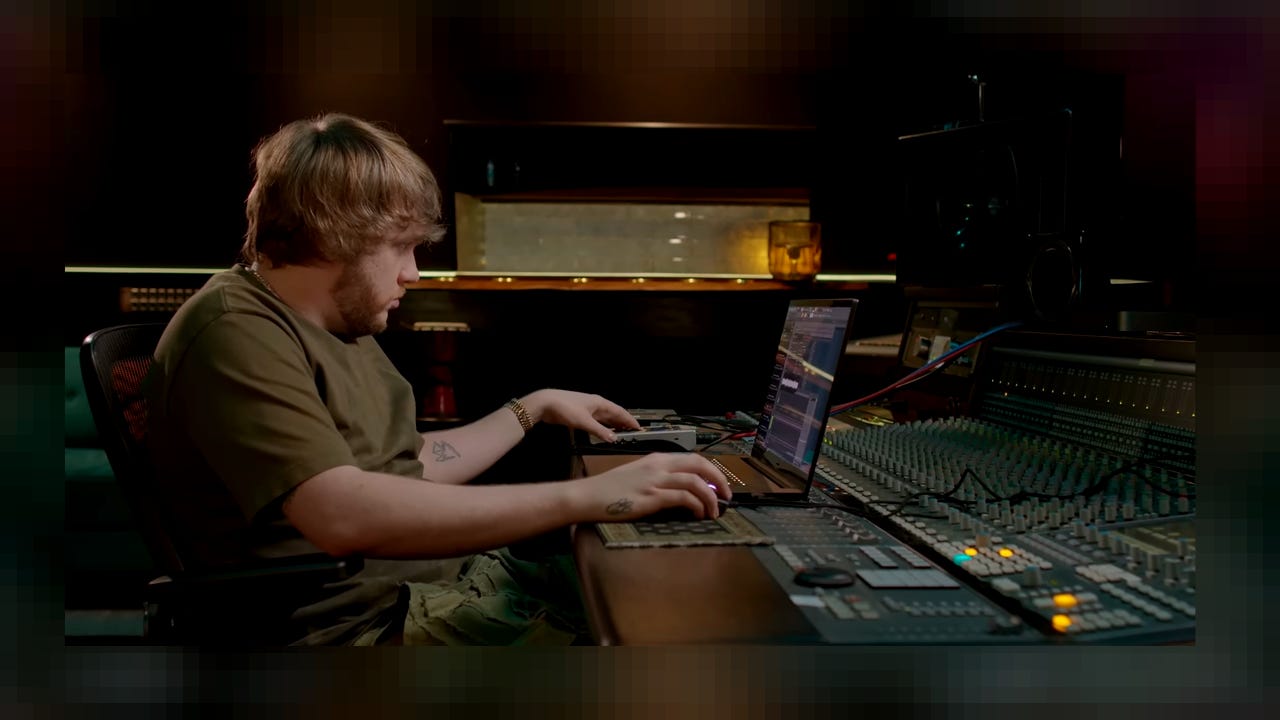
Murda Beatz connected with people over ocial media, but also made an effort to connect in person with people liek Chief Keep and Quavo. Rather than sendig beat packs over email, he cultivated relationships with people within their camps and expanded his network via word of mouth.
His placement on Drake’s - Views didn’t come from a cold pitch. Having a relationship with PartyNextDoor opened the door to placements on Views and Stimulus Package. Murda actually connected with Party in Toronto a year before the placement happened.
Same thing with Chief Keef and The Migos; he flew to Chicago and Atlanta and forged relationships with the crew. Rather than sitting at home making beats, he decided to get on the plane, get in the studio and build directly with the artits themselves.
TM808 (808 Mafia)- Travis Scott Drake
TM88 came up collaborating with local artists like Slim Dunkin, and formed 808 Mafia with Lex Luger and Southside.
After Lex left the Group, TM and Southside would go on to put a mixtape on Live Mixtapes to showcase their work.
Instead of waiting for things to happen, they created a local buzz by working with local artists with similar goals.
NDK - Brent Faiyaz
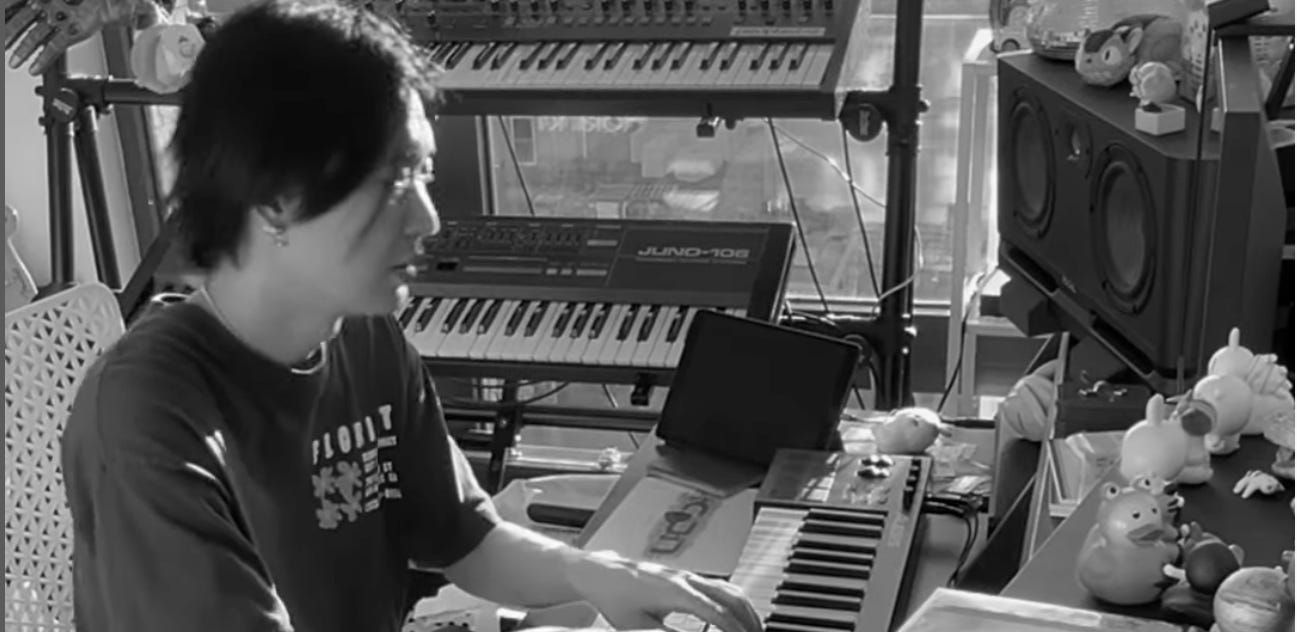
““Nobody is going to magically find the loops sitting on your computer, so you have to keep sharing, sending and pitching your work” - NDK
NDK shares in an exclusive interview with Studio Talks
He details working closely with Halfway but taking his time to produce lots of social content.
Instead of tagging everyone who he thought would like the beat, he focused on one single artist who would fit the sound.
He did this consistently for about three years.
But only after he became even more artist-focused in his approach did he get an approach from an AR, which would open the door to new opportunities. His music wasn't just what stood out; it was his work ethic.
Sound M.O.B. - Lil Wayne /Young Money
Beginning in high school, they started as longtime friends. Eventually winning big on a Red Bull Contest.
Staying true to form, they continued to work with local artists in Houston, eventually running into a then-unknown Kirko Bangz. After their hit “Drank In My Cup,” the duo would be catapulted into national prominence.
Fun fact: they actually gave Kirko Bangz his moniker.
Beats By Hod - Killer Mike, Pastor Troy, ATL overall Scene

Hod began networking with artists on Atlanta's Southside while attending high school. He drew inspiration from Shawty Redd and built relationships by being present in the local scene before any formal pitching happened.