
The First of Its Kind
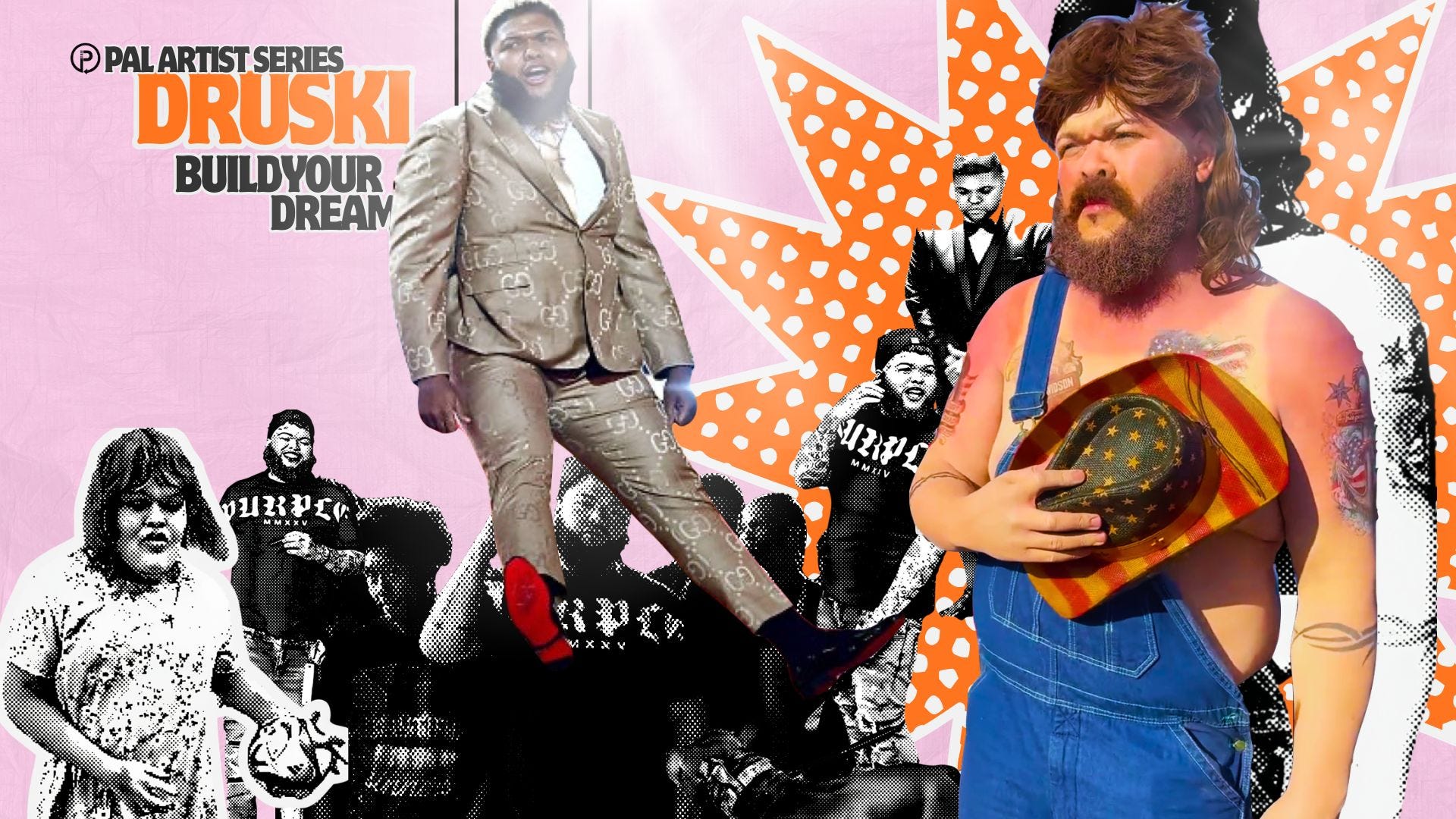
All right, this Saturday, SNL will host the first digital content creator, or social media influencer, to host Saturday Night Live. This is one of the biggest pieces of news, and I think it hasn’t gotten the attention it deserves. But it marks a significant change in the media landscape.
Born Drew Desbordes, Druski has gone viral with online skits imitating everyone from the ‘guy you know’ at the NASCAR race to the other ‘guy you know’ from the neighborhood, all the way down to Erica Kirk. And some of his characters hit the mark (especially the white ones), and others go way past it. Like it or love it, controversy or not,
I think every creator should be paying attention. Because what he’s doing is a message that Hollywood has been sending for years.
Authenticity is a commodity.
The Gatekeeper Era Is Over
No, he’s not the 1st comedian to host SNL, as the platform has hosted countless comedians and musicians. But this is the first time a digital creator, a content creator, or a social media influencer will host the live platform, which signifies something big.
And we’re gonna dive into it, because this shift means
The gatekeeper era is over.
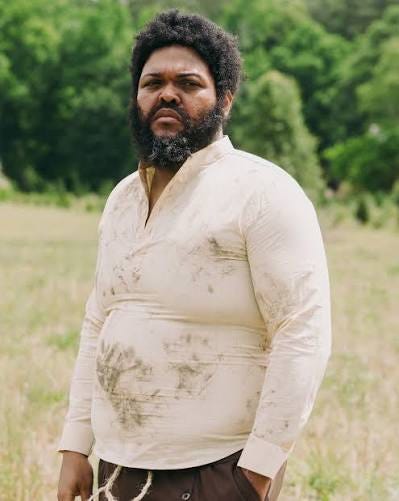
Saturday Night Live used to represent the pinnacle of entertainment success for a comedian, late-night major television network booking.
In the past, you’d need a manager, an agent; you’d start at a comedy club nda work your way up through the politics of struggling comedians. Eventually, if you played your cards right (at the Laugh Factory), you’d find yourself moving all the way to the Saturday Night Live stage and hopefully landing a TV show or some sponsorship if you killed it.
Maybe even a movie would come from it.
Doing It The Broke Way
But the path that Druski takes is something every independent creator, musician, artist, content creator, and influencer should take note of.
Druski started off his career enrolled at Georgia Gwinnett College, eventually transferring to Georgia’s Southern University, just like any other student, just like you and me. Going to class, battling depression, student loans, etc.
After a while, he stopped attending classes and actually started studying stand-up. He took his natural talents and trusted the opinions of the people around him. He wrote specific goals on a piece of paper, something another unlikely person, Soldier Boy, said he did as a kid.
He posted his very first skits to Instagram in October 2017 under the handle @Druski2Funny. No budget, no fancy camera, just a phone; the clip featured him just taking fake money and flexing that dollar, flexing that Exxon, and a star was essentially born. Most of Druski’s content is hyper-specific and culturally relevant and blatantly irreverent.
Observing everyday people and mocking social scenarios with a lighthearted, inclusive social commentary that engages the user, he has actually taken a page out of Eddie Murphy’s book; he created fully realized and developed characters with backstories, body language, accents, and their own unique style of delivery.
Some of his breakout characters include Kyle Roger, a satirical Southern fraternity bro modeled after his classmates, and the NASCAR guy. Characters and mini stories that captivated an audience moving away from traditional media during the writers’ strikes and COVID 19. Druski gave a thirsty audience something to gulp on, and they’ve been tuned in ever since. All from embracing ‘the work’
Users are starting to regain power. Every artist should take notice of this.
Do the Work
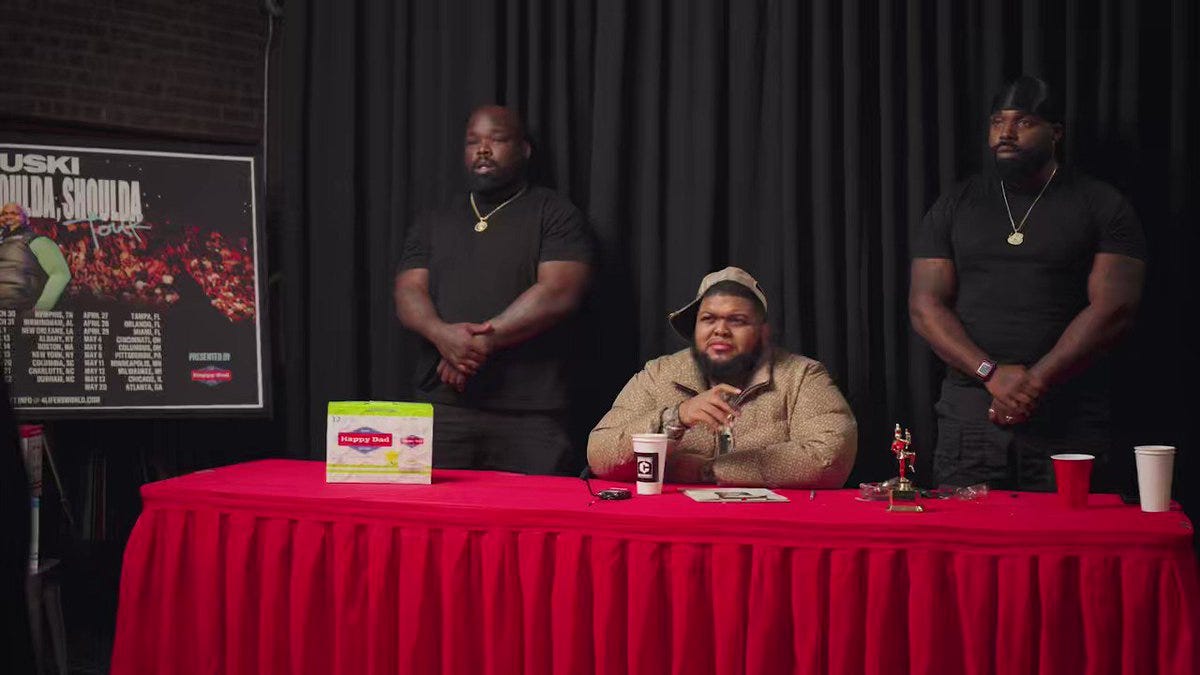
Doing the work doesn’t always result in immediate success. It took three years for anyone of significance to notice Druski, but when Odell Beckham Jr. noticed some of his skits and invited Druski to stay at his home, that connection ultimately exposed him to an elite tier of celebrities he otherwise wouldn’t have had access to. Eventually, most of hip hop took notice and began to recognize Druski as hip-hop's unofficial “funny” man.
“Oprah’s bank account”, “Laugh Now, Cry Later”, “Tyler Hero”, and “Churchill Downs” are some of the music videos that he was actually featured in. Eventually, that would land him an arena tour opener with J. Cole, 21 Savage, Lil Baby, and Chris Brown on their respective nationwide tours
From internet skits on a $ 0 budget, shot on his cell phone, to having fully developed characters with hyper-realistic, allowing him to do live skits in character. Eventually, he launched his ‘could-have-been records’ parody series.
He plays a smug, hilarious, ruthless music executive who gives honest feedback to an array of ‘upcoming’ artists.
Streaming platforms were slow to adopt this new style of comedy. Eventually, he self-funded his own production enterprise, similar to Tyler Perry's Four Lifers Entertainment.
Bringing his entertainment to live crowds, he sold out arena tours with the Kudafest and eventually hosted the 2026 BET Awards, solidifying his spot as a mainstream host and making him the youngest person ever to anchor that ceremony. Though some people thought it was hit or miss.
The Changing of the Guard
This also comes as open-source software takes hold at many major audio companies, with Hakai released last month. Druski’s news comes shortly afterward. The MPC sample and countless Behringer products have been released with open-source mods, or Behringer has decided to embrace the open-source community. Either way, the power is in the users’ hands, and Druski and others like him represent the pinnacle of that.
Something is happening. Even from a political perspective, the open-source world is becoming increasingly significant.
There is changing of the guard

The individual is starting to regain power. Every artist should take notice. In addition to this SNL booking, Druski just signed a major mainstream deal with Netflix to turn his viral megachurch pastor sketch into a Netflix-exclusive series called Collect and Praise.
The multi-year deal is with Netflix through Four Lifers Entertainment, and the first project, Collect and Praise, premieres December 1. Mike Epps co-stars. The series is a semi-scripted comedy built around the viral megachurch pastor character: Druski plays a money-hungry pastor, Epps plays an unpredictable deacon, and the two scheme their way through scandals.
It seems that these major networks like NBC are catching up to where the audience is today. People are still tuning into their favorite networks, but they are now preferring more authentic, user-generated, or relatable situational content.
It’s more real. It’s relatable. And it tells the average person that they can do it, too. In a world that feels like it's collapsing on us, where the dollar is losing value, and our voices don’t seem to have as much power.
Plus, it's not lost on me that this is coming just one week after Joe Budden cameo spot on NBC’s Law and Order Season 26 Episode #4
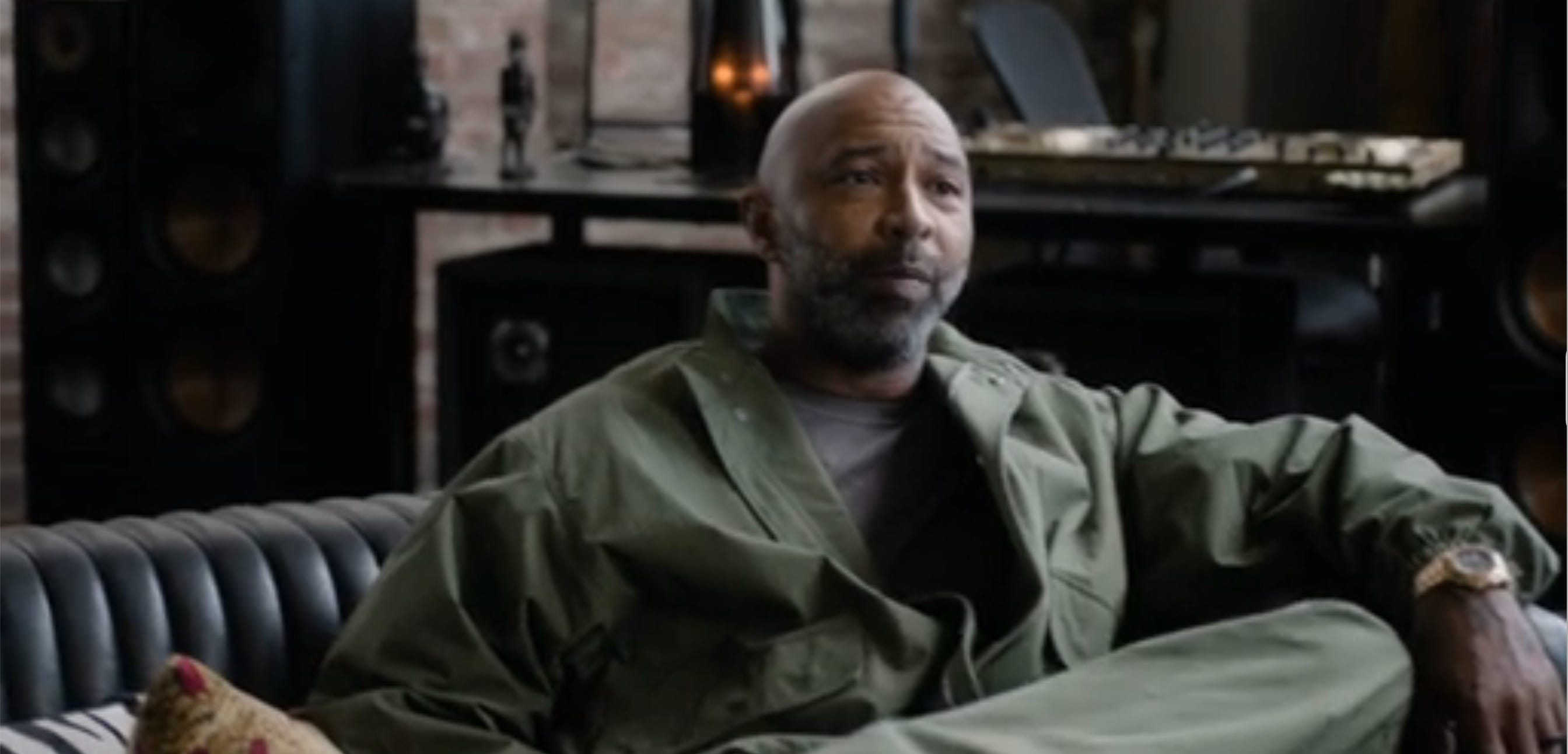
And some of the skits that he did there. We’ve seen before. But the point is that the work led to the success and the access.
Ownership and Identity
The idea that the everyday person can become something as great as an SNL host is now within reach. Before, the story was always the girl next door or some unknown talent, but we know that wasn't true. Justin Beibers was essentially ‘found at a gas station’, and his talent was supposed to surpass that of so many people.
But truthfully, he was doing similarly to Druski, posting his clips on the internet, and fortunately the right people were watching.
Often, we’re told that our favorite band or artist was an overnight success, but we all know better. Being successful in entertainment takes Relationships, risks, sacrifice, and immense talent, but most of all, work ethic.
In the acting industry, people often confuse their jobs/roles with their identity. If you want to be a megastar, you’ll lose your identity. You may be typecast and forced into certain roles, or into a Hollywood lifestyle that, while lucrative, may rob you of your unique selling proposition; your personal identity becomes wrapped up in the characters you play.
What lots of celebrities present to the world on the red carpet or in interviews is a curated version of themselves. The music industry is very similar. If you want to succeed in music, you’re not just gonna have to give up your identity, but also your ownership.
When you assess the fine print in record contracts, you’ll often see the phrase “work for hire.” You might own the recording, but you might not own the copyright to the writing material; the label owns the recording.
And if you record it on the label’s budget, even in advance, it still counts as work for hire. So trying to get your masters could land you in a legal battle that lasts decades. Now, it seems you can actually own your creative output.
But today things are different. Instead of letting labels, middlemen, or agents determine your success, you can do it all right from your phone or podcast desk.
With the right work ethic, you never really know who’s paying attention, and the average person no longer has to go through the establishment to gain success. NOR do they have to give up ownership of their identity, their ideas, or intellectual property.
You don't need to go on a press tour to gain grassroots support, or kiss the rings of powerful executives. Now the executive is the creator, and the fanbase is their followers.
Adapt
The user has the choice. In the audio industry, users can now develop whatever software they want, especially with AI assistance, so our ideas can come to fruition faster than we might have thought possible. What does this mean for the big companies, the old guard?
Well, it seems like NBC and Beringer get it. You have to embrace it to control it. Otherwise, users will build their own ecosystem, and you’ll be completely isolated from everyone you’re trying to sell to, everyone who supported you, and you’ll become obsolete.
Druski’s episode airs this Saturday. November 7th, at 9 p.m. And afterward, stay tuned for an aftershow.